

Service
Leak Detection and Repair in Van Nuys, CA
A water bill that keeps climbing, a damp patch, a stain that returns after painting. Leak detection is about finding the exact spot before anyone opens a wall, so the repair is made there and the opening stays small.
- Hidden leaks
- Slab and wall leaks
- High water bills
Leak Detection and Repair
Signs of a leak you cannot see
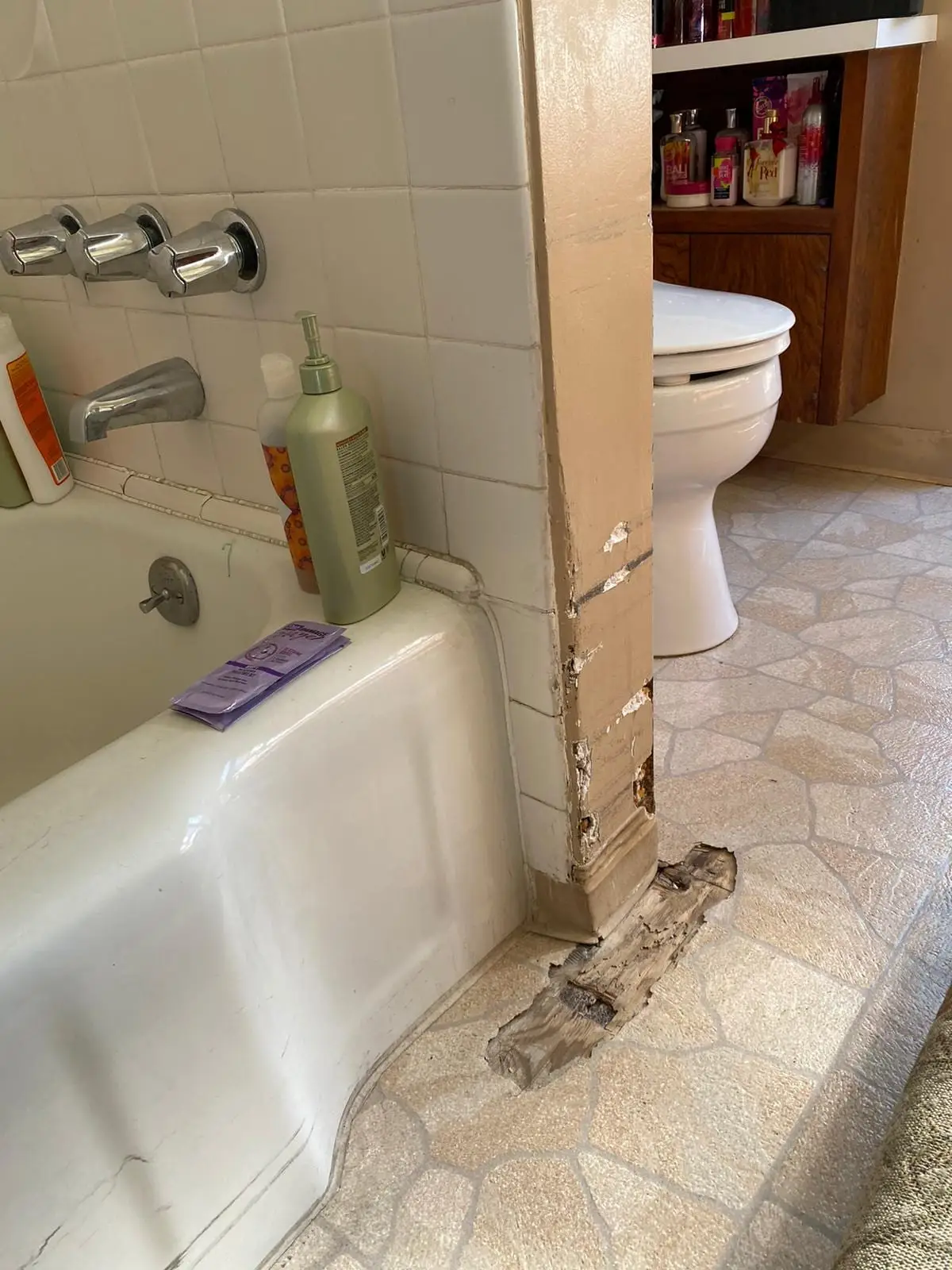
Most leaks are not dramatic. Water finds a path, follows a pipe or a framing member and turns up somewhere else: a stain on a ceiling two rooms away, a baseboard that has begun to swell, a musty smell in a closet, a floor that feels warm underfoot. Because water travels, the wet spot is rarely the leak.
A leak that runs all the time also shows up on paper. If your water use has risen with no change in the household, or the meter keeps moving when every fixture is off, water is going somewhere. Many Valley homes sit on concrete slabs with supply lines underneath, and a leak there can go unnoticed for a long time because the water drains into the ground below.
- A water bill that has climbed with no change in how you use water
- A meter that keeps turning when every fixture and appliance is off
- Warm or damp spots on a floor, or flooring that lifts or cups
- The sound of running water in a quiet house
- Stains, bubbling paint or a musty smell on walls and ceilings
- Low water pressure at one fixture or several
- Mold or mildew in a spot nothing else explains
How the work goes
What the work involves
Located before it is opened
Pressure tests, acoustic listening and moisture readings are the usual ways to narrow a leak down to a few feet before any wall or floor is cut.
Small openings, matched repairs
When a wall or floor has to be opened, it is opened at the leak and no wider than the repair needs, which keeps the patching afterward smaller too.
The cause is fixed, not just the hole
A repair should address why the pipe leaked, whether a bad fitting, a worn seal, corrosion or pressure that is too high, so the same spot does not fail again.
The rest of the line is considered
Pipes of the same age and material tend to fail in similar ways, so the plumber looks at what else on the line is in the same condition and tells you what depends on it.
How a leak is found
Detection starts with simple questions: where was the water seen, when did it start, does the meter move with everything off. The meter check is the first test, and you can do it yourself: shut off every fixture, read the meter, wait, and read it again. Movement means water is leaving the system somewhere.
From there the plumbing is usually divided into sections with its shut-off valves, to see which section holds pressure and which does not. Once the section is known, the equipment narrows it to a spot.
- Water meter check with every fixture off
- Pressure test of the supply lines, section by section
- Acoustic listening on floors, walls and pipe runs
- Moisture and temperature readings on suspect surfaces
- Camera inspection of drain lines when the leak may be on the waste side
Slab leaks and wall leaks, in general terms
A slab leak is a leak in a pipe that runs under or through a concrete floor slab. Signs include a warm spot on the floor, which points to a hot water line, the sound of running water, damp flooring and a rising bill. Options depend on the home: opening the slab above the leak, rerouting the line through the walls or attic, or replacing it. The right one depends on the condition of the rest of the pipe and what access there is.
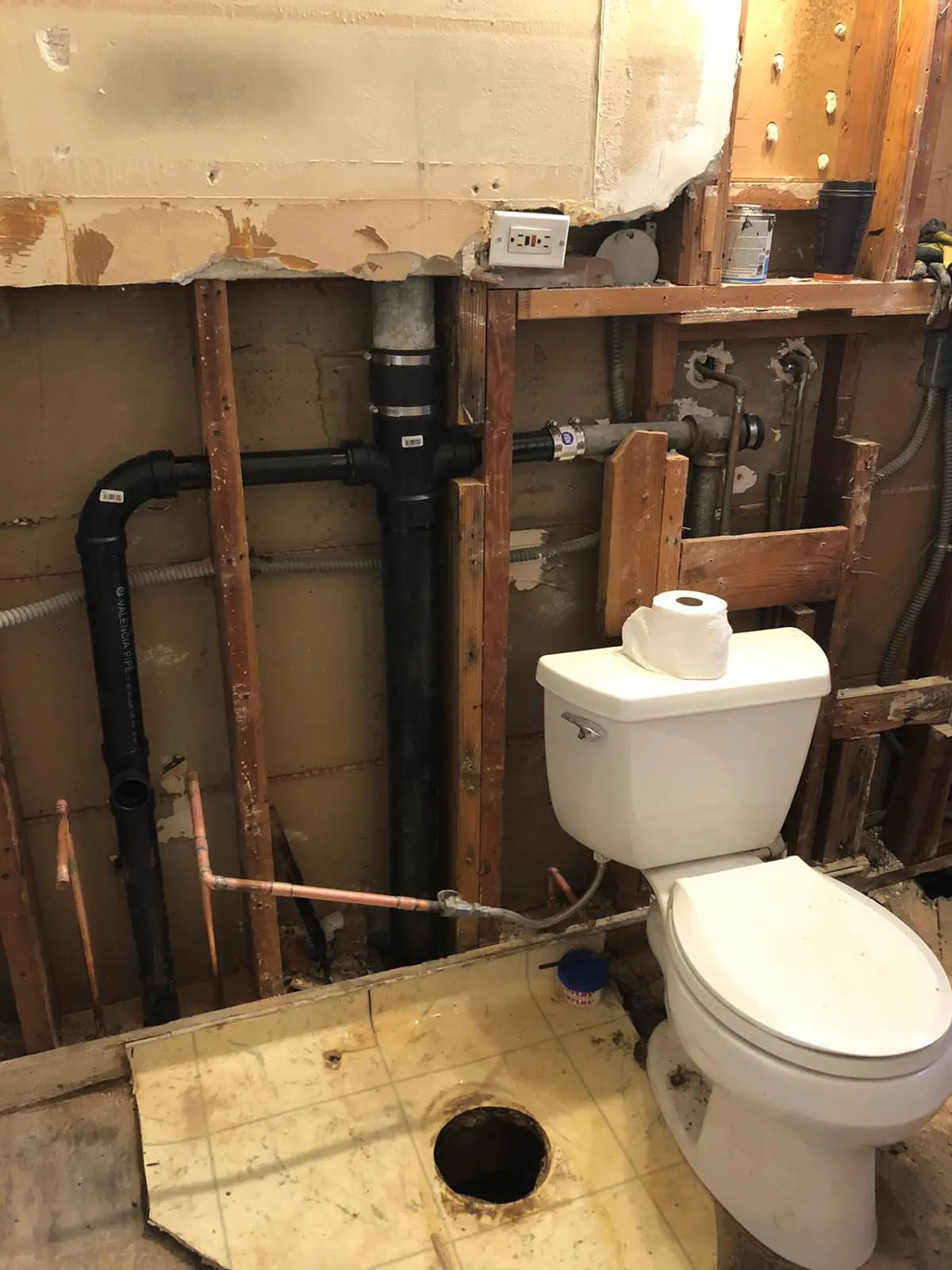
A wall leak is simpler to reach: the opening is made at the located spot. A failed tub seal, a leaking drain or condensation can look the same, and those are ruled out before anything is cut.
After the leak is found
A leak at a fitting or in a short section of pipe is a small repair. A leak in a pipe that is corroded along its whole length is a different conversation, because the next leak is a matter of time. That is where leak repair meets pipe replacement.
Questions
Leak Detection and Repair questions
How do I check my water meter for a leak?
Turn off every fixture and appliance that uses water, including the ice maker and irrigation, then look at the meter for its small leak indicator, a dial or triangle that spins when water moves. If it moves with everything off, or the reading climbs after fifteen minutes, water is escaping somewhere.
Will you have to cut into my walls to find a leak?
Not to find it. Pressure tests, listening and moisture readings point to the spot first. Repairing a pipe inside a wall or floor needs access, and the opening is kept as small as the repair allows.
Could the leak be on the drain or sewer side?
Yes. Drain and sewer leaks show up as damp soil, odors, slow drains or a wet spot that appears only when water is used, while supply leaks tend to run all the time and move the meter. A camera inspection of the drain line can show cracks, offset joints or roots.
Is a slab leak an emergency?
It depends on the volume. A small leak can usually wait for a scheduled visit, and you can shut off the main valve in the meantime. A large one, or one soaking flooring and walls, should be treated as an emergency.
Does a high water bill always mean a leak?
No. Irrigation, filling a pool, an extra person in the house or a seasonal change can all raise a bill. A running toilet is one of the most common hidden causes and can waste a lot of water without any visible sign. Check the meter with everything off before assuming the worst.
More services
Other plumbing services
Suspect a hidden leak? Call and describe what you see.
Call us or send the form with what you are seeing. If water is running, shut off the main valve first.
Get in touch
Request a plumber
Tell us what is going on and we will call you back.