
Service
Emergency Plumbing in Van Nuys, CA
A burst pipe, a flooded floor, sewage coming up a drain or no water at all. Shut the water off, keep people and electronics clear of it, and call. This page covers what to do before the plumber arrives and what the first visit is for.
- Burst and leaking pipes
- Flooding and backups
- No water
Emergency Plumbing
What counts as a plumbing emergency
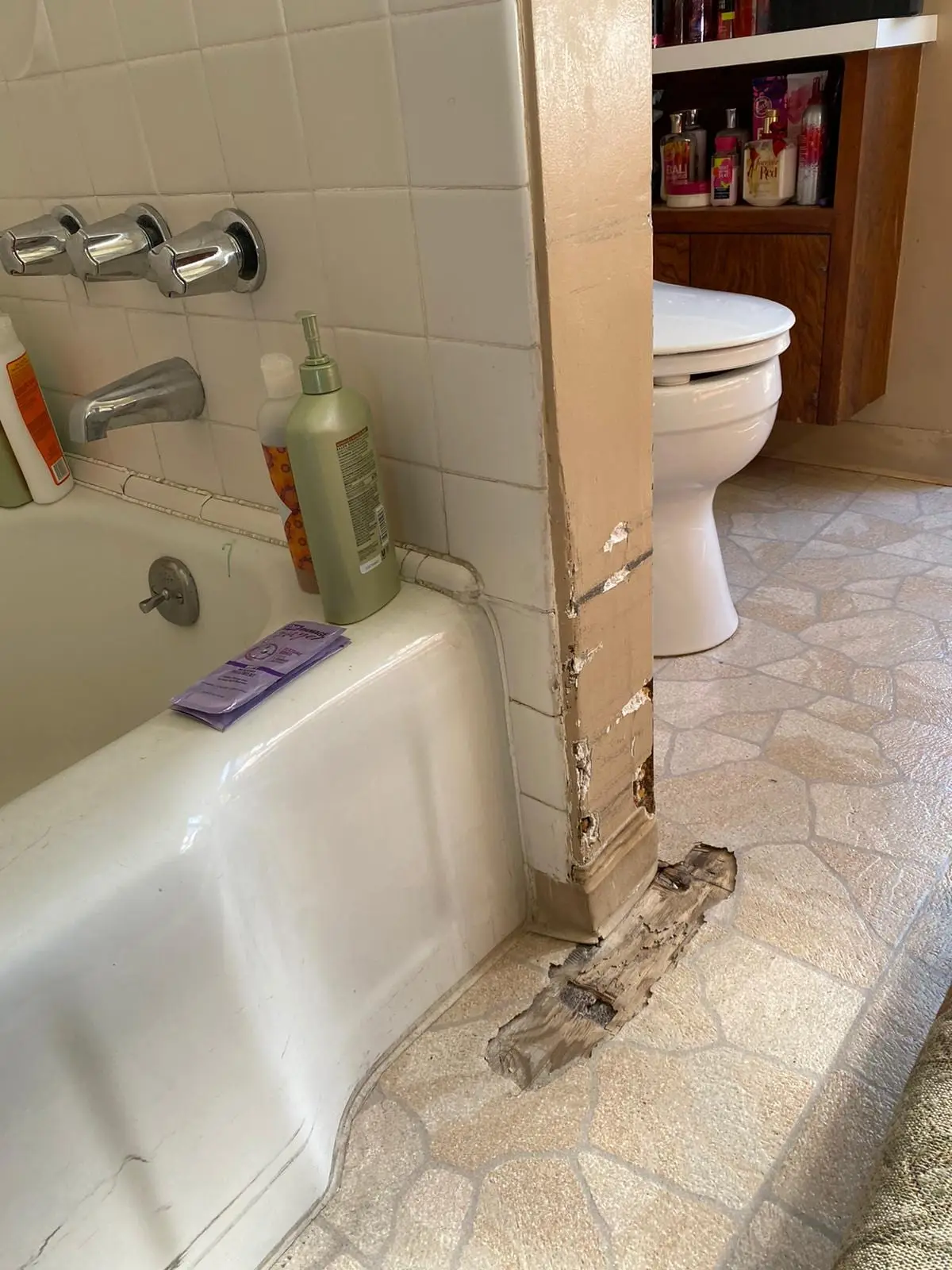
A plumbing emergency is water or sewage where it should not be, in quantity, and still coming. A pipe that has split inside a wall, a supply line that has let go under a sink, a water heater tank that is leaking, a toilet that overflows and will not stop, a main drain that backs up into the tub: each keeps doing damage for as long as it runs. Drywall, flooring, cabinets and insulation soak the water up, and a wall that stays wet can start growing mold within a couple of days.
A slow drip under a sink can wait for a regular visit. Water you cannot stop, sewage in the house, no water at all or any smell of gas cannot. If you are not sure which side of that line you are on, call and describe what you see.
- Water spraying, pouring or pooling from a pipe, fixture or appliance connection
- A ceiling that is stained, sagging or dripping
- Water or sewage coming up through a floor drain, tub or shower
- A toilet that overflows and keeps filling
- No water at all, or a sudden drop in pressure with no obvious cause
- A water heater leaking from its tank or from the pipe at its relief valve
How the work goes
What the work involves
The water is stopped first
On a plumbing emergency the first job is to isolate the failed section and shut the water off at the right valve, so the damage stops growing before anyone talks about the repair.
Then the cause is found
A burst pipe is often one of several in the same condition, so the plumber looks at the pipe around the failure and at the water pressure before choosing between a patch and a longer run of new pipe.
Temporary and permanent are kept apart
Some emergencies end with a safe temporary fix, such as capping a line, and the permanent repair follows. You should be told which one you are getting.
Damage documented
Photographs of the water and the damage, taken before anything is moved or dried, help with an insurance claim.
What to do before the plumber arrives
Three things change the outcome of an emergency more than anything else: how soon the water is stopped, how much of it reaches porous materials, and whether anyone touches wet electrical equipment. The list below covers all three.
If the main valve will not turn, or turns and the water keeps running, say so when you call.
- Close the main water valve at the house: clockwise until it stops, or a quarter turn if it has a lever handle
- Stay out of standing water near outlets, extension cords and the electrical panel
- Do not use fixtures that are draining slowly or backing up, and do not run the washer or dishwasher
- Move rugs, furniture and electronics out of the wet area if that is safe to do
- Take photos or video of the water, its source and the damage
- If you smell gas, leave the building and call the gas company or 911 from outside; do not call a plumber first
What the first visit is for
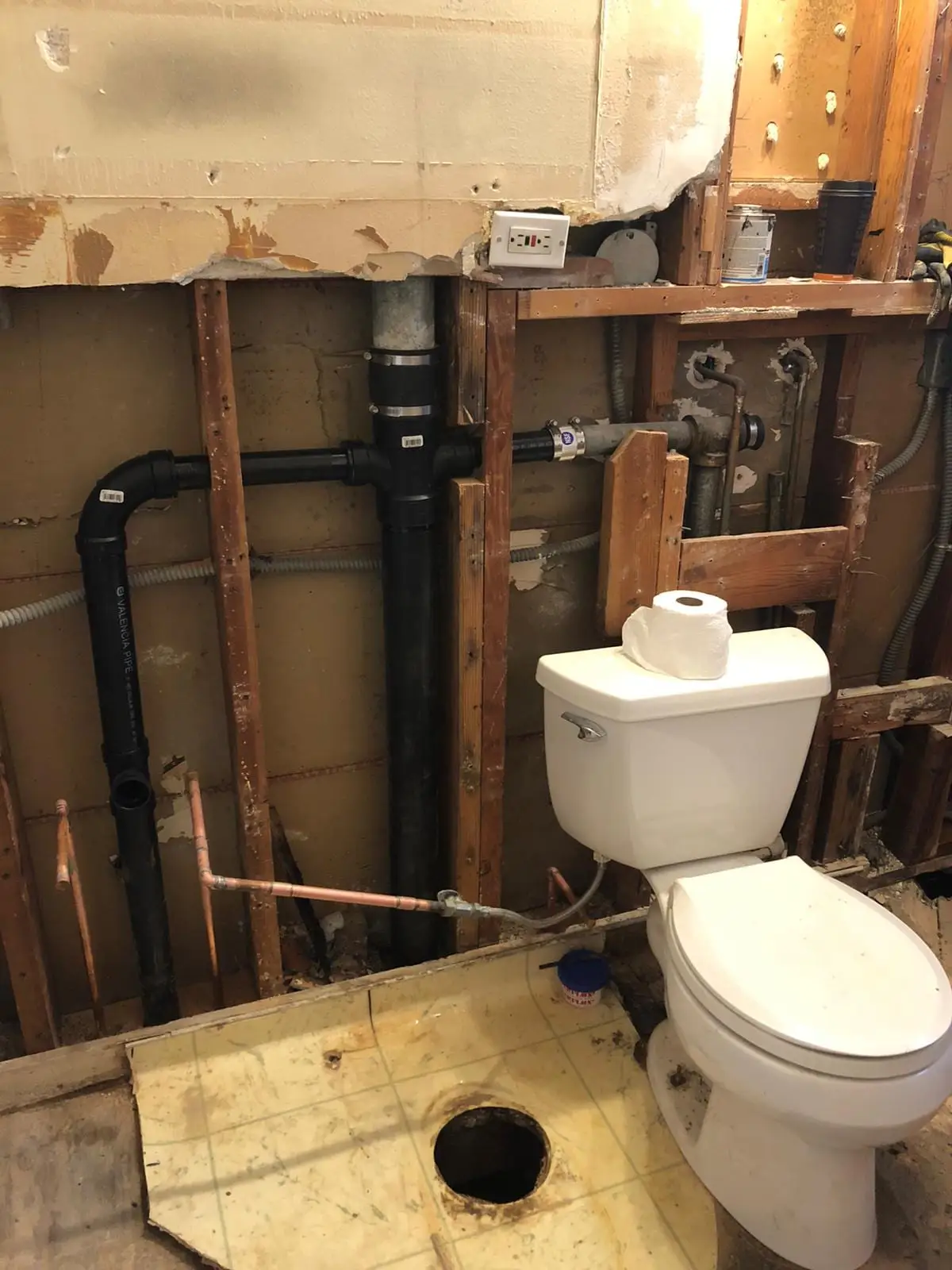
The first visit has a narrow goal: stop the damage and make the property safe. That means isolating the failed section with a valve, shutting off what cannot be used, and checking that the water and gas lines are otherwise behaving. Repair comes second. A split pipe may be cut out and replaced there and then, or capped so the rest of the house keeps its water while the right materials are arranged.
Drying walls and floors is a separate job, usually handled by a restoration contractor and your insurer, not by the plumber.
Emergencies in Valley homes
Many San Fernando Valley houses were built in the 1950s and 1960s, often on concrete slabs, and what runs through them depends on the decade: galvanized steel supply pipe that has corroded from the inside, copper with pinholes, cast iron or clay drains that tree roots have found. An emergency repair is sometimes followed by a conversation about the rest of the line.
Questions
Emergency Plumbing questions
Where is my main water shut-off valve?
Usually where the water line enters the house: often on the outside wall facing the street, in the garage or beside the water heater. It is either a round wheel handle, turned clockwise until it stops, or a lever that turns a quarter turn. Find it before you need it.
Should I turn off the electricity during a leak?
Only if you can reach the panel without standing in water or crossing it. If water is near outlets, the panel or appliances and you cannot get to the breakers safely, stay out of the area and call. Never touch electrical equipment while standing in water.
Does homeowners insurance cover a burst pipe?
Many policies cover water damage from a sudden burst but exclude damage from slow leaks or wear over time. Only your policy and your insurer can say what applies.
What should I do about a sewage backup?
Keep people and pets out of the affected area, since sewage carries bacteria. Stop running water into the drains and do not pour chemical drain cleaner into them. When you call, say which fixtures are backing up.
Is a leaking water heater an emergency?
If the tank itself is leaking, treat it as one: a tank cannot be patched. Close the cold-water valve on the heater, turn the gas control to off or pilot or switch off its breaker, and call. A drip from the relief valve pipe is a different fault, but also needs attention, because that valve is a safety device.
More services
Other plumbing services
Water running that should not be? Call a plumber now.
Call us or send the form with what you are seeing. If water is running, shut off the main valve first.
Get in touch
Request a plumber
Tell us what is going on and we will call you back.