

Water Heater Repair in Van Nuys: Why Sediment Flushing Pays Off
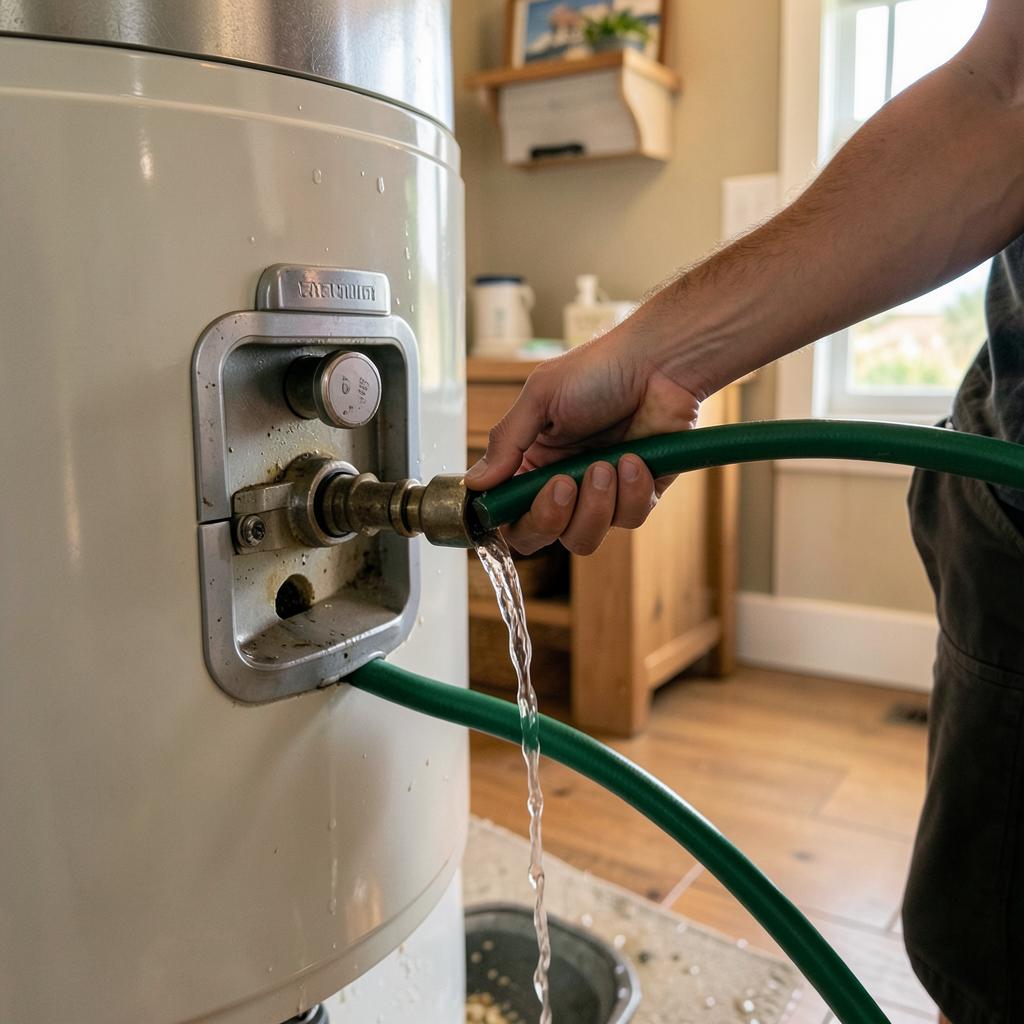
If your water heater rumbles, pops, or crackles during the heating cycle, you are hearing sediment. Hard water across the San Fernando Valley leaves mineral deposits that settle on the tank floor, and over time that layer becomes one of the biggest threats to the unit's efficiency and lifespan. A water heater service that includes a full flush can add years to a tank that would otherwise fail early.
What Sediment Actually Does
Sediment is mostly calcium and magnesium carbonate that drops out of hard water when it is heated. Inside the tank it:
- Insulates the water from the heat source, forcing the burner or elements to run longer
- Overheats the steel of the tank floor, stressing the glass lining and welds until they crack
- Creates the popping and rumbling sounds as steam bubbles collapse under the sediment layer
- Reduces usable capacity as the layer thickens at the bottom of the tank
Warning Signs Your Tank Needs Attention
- Rumbling, popping, or banging during heating
- Hot water running out faster than it used to
- Cloudy or gritty hot water at the tap
- Energy bills climbing without a change in usage
- The unit taking noticeably longer to reheat
Any one of these is reason enough to ask a plumber to take a look before the sediment wins.
What a Flush Involves
A plumber shuts off power or gas, closes the cold water inlet, connects a hose to the drain valve, and flushes the tank until the discharge runs clear. The visit can also include an anode rod check, a test of the temperature and pressure relief valve, and a look at the thermostat setting. For tankless units, the equivalent service is a descaling flush, running a pump and vinegar or descaling solution through the heat exchanger.
Why DIY Flushes Often Fall Short
Aged plastic drain valves clog with sediment chunks and can snap when forced. A partly drained tank leaves the thickest layer in place, and refilling a tank with a weakened relief valve can create a pressure hazard. What a flush costs depends on the unit and its condition, but it is usually small next to a failed tank and a flooded garage.
Frequently Asked Questions
How often should a water heater be flushed?
Once a year is a common rule in hard water areas such as the San Fernando Valley. Homes with very high mineral content may benefit from service every six to nine months.
Will flushing stop the rumbling noise?
Usually, yes. If the noise continues after a full flush, the sediment may have hardened into scale that needs a more aggressive descaling treatment.
Does sediment affect tankless water heaters too?
Yes. Scale coats the heat exchanger and narrows the internal waterways, which triggers error codes and temperature swings. Yearly descaling is essential.