

Gas Water Heater Safety Checks Every Van Nuys Home Needs
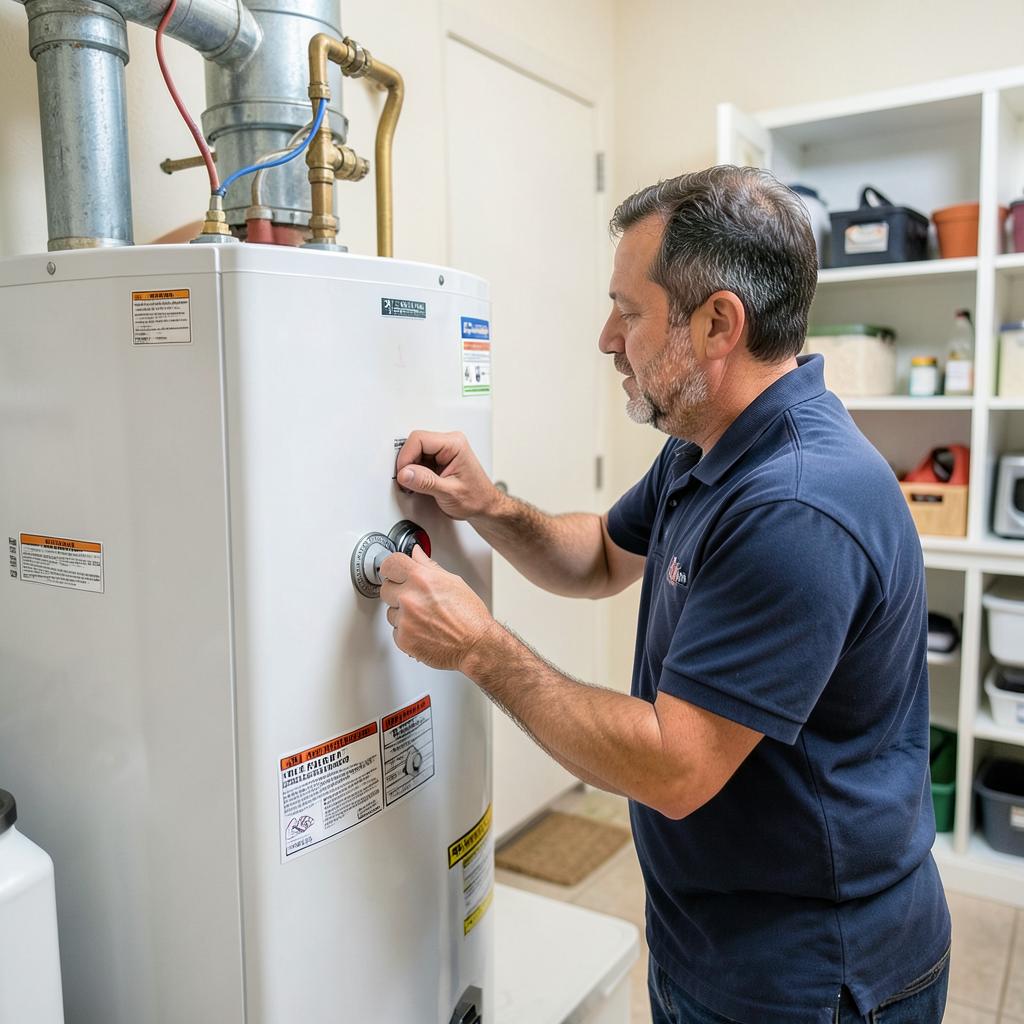
A gas water heater puts open flame, pressurized hot water, and a fuel line in one appliance. Well maintained, it runs safely for years. Neglected, it can produce carbon monoxide, scalding water, or in rare cases a dangerous pressure event. A yearly water heater service with a full safety check is a sensible habit for any Van Nuys home or small business with a gas tank.
The Critical Safety Components
The Temperature and Pressure Relief Valve
The T and P valve is the last line of defense against an over-pressurized tank. It should be tested once a year by lifting the lever and confirming water discharges freely, and its discharge pipe must run unobstructed to a safe termination point. A valve that has gone a decade without a test cannot be trusted.
Venting and Draft
The flue has to carry combustion gases, including carbon monoxide, safely out of the building. Vent pipes age, joints loosen, and moisture in exhaust gases slowly corrodes the metal. Warning signs include rust flakes near the draft hood, soot marks, and condensation running back down the vent.
The Burner and Combustion Air
A healthy flame burns mostly blue. Lazy yellow flames, soot, or a pilot that keeps going out point to combustion or ventilation trouble that needs a plumber's diagnosis. Heaters in closets and garage corners also need adequate combustion air openings, and stored boxes or paint cans should stay well clear.
The Gas Connection and Shutoff
Flexible connectors age and fittings can loosen over time, particularly in earthquake country. Every safety check should include a leak test at the gas connection and a confirmation that the shutoff valve turns freely.
Seismic Strapping
California requires water heaters to be braced or strapped to the structure. An unstrapped tank that tips during an earthquake can shear the gas and water lines at the same moment.
What Temperature Should You Set?
About 120 degrees Fahrenheit balances scald protection with comfort and efficiency. Higher settings raise energy use and burn risk, while much lower settings can let bacteria grow in the tank.
Warning Signs That Need Prompt Attention
- A gas smell anywhere near the unit
- Soot or scorch marks around the burner chamber
- The relief valve discharging for no clear reason
- The pilot light going out again and again
Any one of these calls for a phone call, not a wait-and-see approach. If you smell gas strongly, leave the building first and call from outside.
Frequently Asked Questions
How often should a gas water heater be inspected?
Once a year. An annual service can cover the relief valve, venting, burner, gas connections, and a sediment flush in one visit.
Is a yellow pilot flame dangerous?
It suggests incomplete combustion, which can produce carbon monoxide. Have a plumber evaluate it promptly.
Can I test the relief valve myself?
You can lift the lever briefly to check for discharge, but older valves often fail to reseal afterward. Having it tested during a plumber's visit avoids creating a new leak.