

Anode Rod Replacement in Van Nuys: Saving Your Water Heater
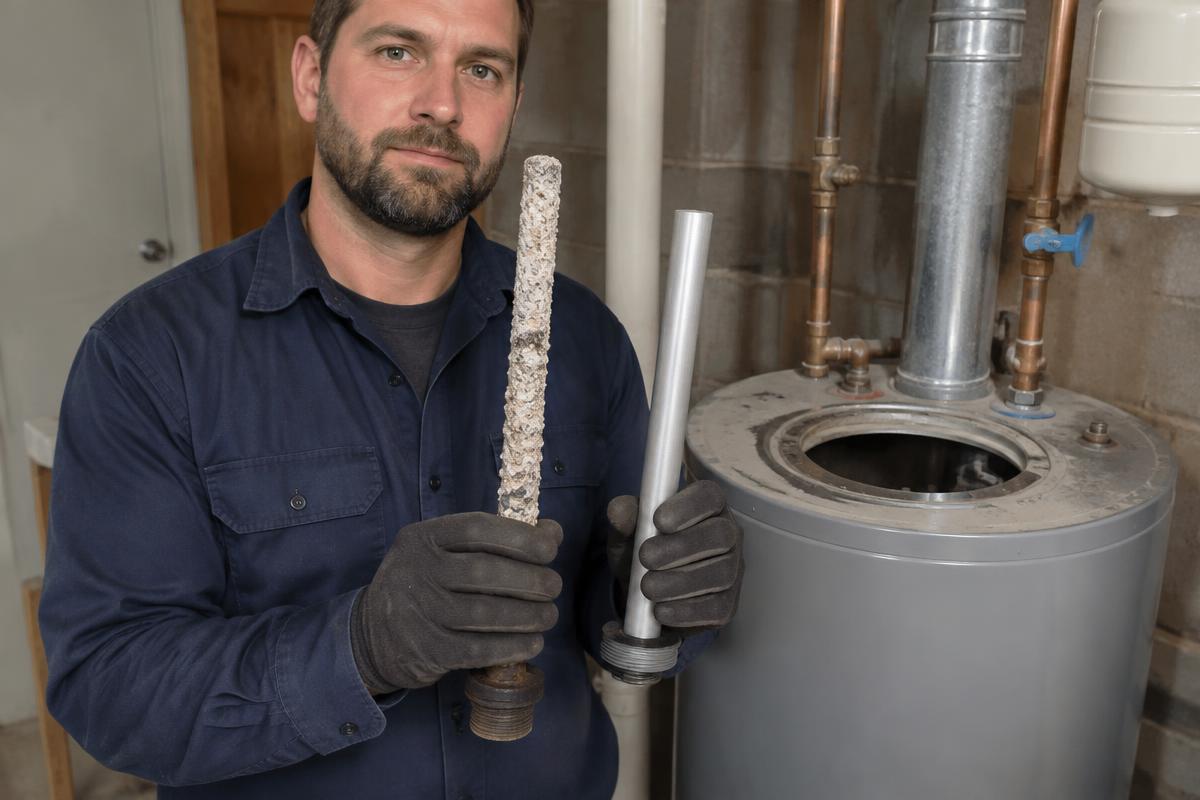
Inside every tank water heater is a part designed to be destroyed. The anode rod, a long metal core suspended in the water, corrodes so the steel tank does not. It is the single most important maintenance item for extending the life of a water heater, and it is also the most overlooked. In homes across the San Fernando Valley, hard water and high operating temperatures can use up an anode rod in just a few years. Once it is gone, the tank itself starts to rust, and that is the beginning of the end.
How the Anode Rod Works
Steel tanks are lined with glass to resist corrosion, but no lining is perfect. Microscopic cracks let water reach the steel. The anode rod is made of magnesium, aluminum, or zinc, metals that are more electrically active than steel, so corrosion attacks the rod first. It is simple chemistry: sacrifice the rod, spare the tank.
Why Some Homes Burn Through Anodes Faster
A few conditions shorten the life of a rod:
- Hard water carries high mineral content that coats the rod and speeds up the reactions that consume it
- Higher thermostat settings and heavy use increase the rate at which the rod is used up
- Water softeners make water more aggressive toward aluminum anodes, so softened homes should check sooner
The same tank can have a long-lasting rod in gentle water and a worn-out one after only a few years in hard water, which is why a rod should be judged by its condition and not by a calendar alone.
Warning Signs Your Anode Rod Is Done
- Rust-colored hot water, especially at the first draw of the morning
- A sulfur or rotten-egg smell in hot water, produced by bacteria reacting with a depleted rod
- A tank several years old with no anode inspection on record
- Rust streaks or weeping fittings on the outside of the tank
Any of these is a reason to schedule a professional water heater service before the corrosion moves to the tank walls.
What Replacement Involves
The plumber shuts off water and power, relieves pressure in the tank, and unscrews the anode from the top port. In tight garages and closets, which are common in older Valley homes, a segmented or flexible rod is used where a full-length rod cannot fit. The new rod is sealed with thread compound, and the visit often includes a flush and a check of the T&P relief valve while the tank is open. An anode swap is a modest service that can extend the life of a tank that would otherwise need replacing sooner.
Frequently Asked Questions
How often should the anode rod be replaced?
There is no single schedule. In hard-water homes, have the rod inspected about once a year after the first few years, and replace it once it is mostly consumed or you notice rust-tinted water.
Can I check the anode rod myself?
The rod lives under a cap on top of the tank and often needs a breaker bar and clearance above the unit to remove. Most homeowners find it easier to have a plumber inspect it during annual maintenance.
Is a rotten-egg smell dangerous?
The smell itself is not dangerous, but it signals a depleted anode and bacterial activity inside the tank. Replacing the anode and flushing the tank usually resolves it.