
Tankless vs. Traditional Water Heaters: Choosing for a Valley Home
Replacing a water heater is one of the bigger plumbing decisions a Van Nuys homeowner makes. The choice between tankless and traditional tank models affects your energy bill, how much hot water you have when you need it, and long-term maintenance. Here is how they compare.
Traditional tank water heaters
How they work
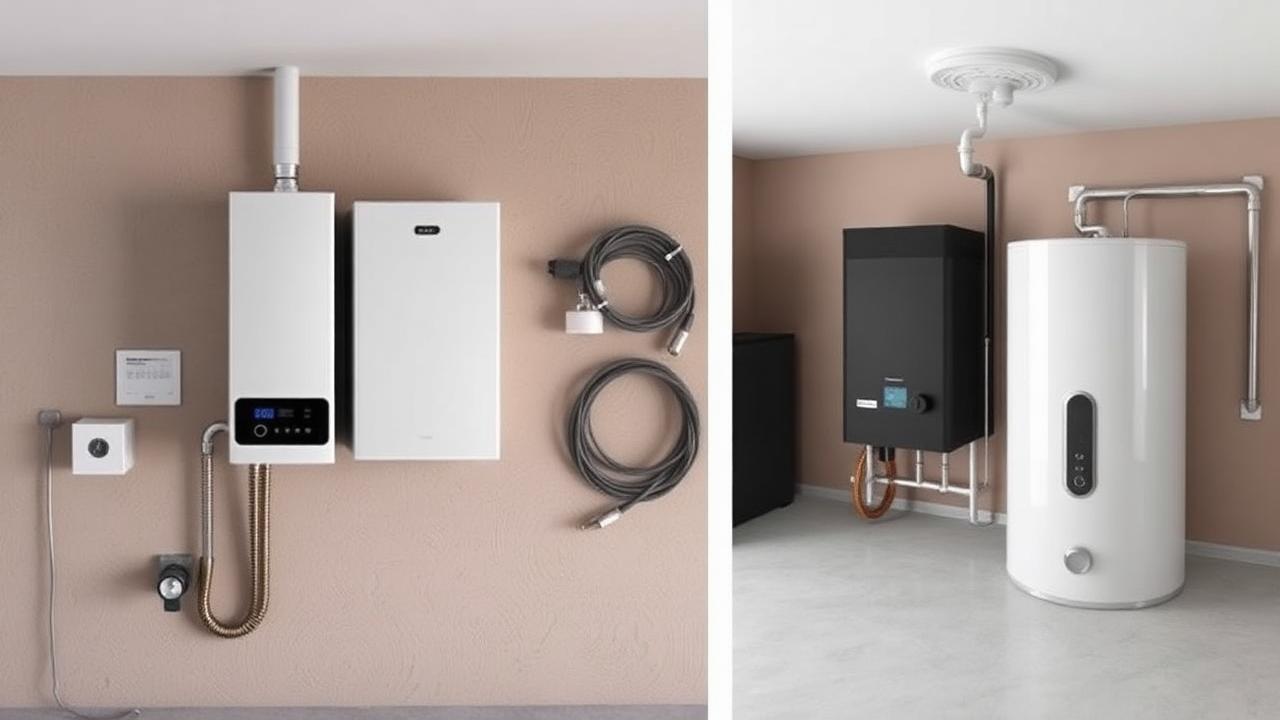
They store a set volume of heated water, commonly 40 to 75 gallons, ready whenever you open a tap.
Pros
- Lower upfront cost than most tankless systems.
- Simple to service and replace.
- Handles several simultaneous demands, such as two showers at once, when properly sized.
Cons
- Standby heat loss means higher energy use.
- Typical lifespan of roughly 8 to 12 years, shorter where hard water scale builds up.
- A tank can eventually leak or rupture and flood the area around it.
Tankless (on-demand) water heaters
How they work
They heat water as it flows through the unit, with no storage tank.
Pros
- Hot water does not run out while the unit is within its flow capacity.
- The U.S. Department of Energy says demand-type heaters can be roughly 24 to 34 percent more efficient in homes with modest hot water use.
- Lifespan of 20 years or more with proper maintenance.
- Wall-mounted, which frees floor space.
Cons
- Higher upfront cost.
- May require gas line, venting or electrical upgrades.
- Needs regular descaling, which matters in the Valley's hard water.