

Prevent Sump Pump Failure: Van Nuys Emergency Plumber Guide
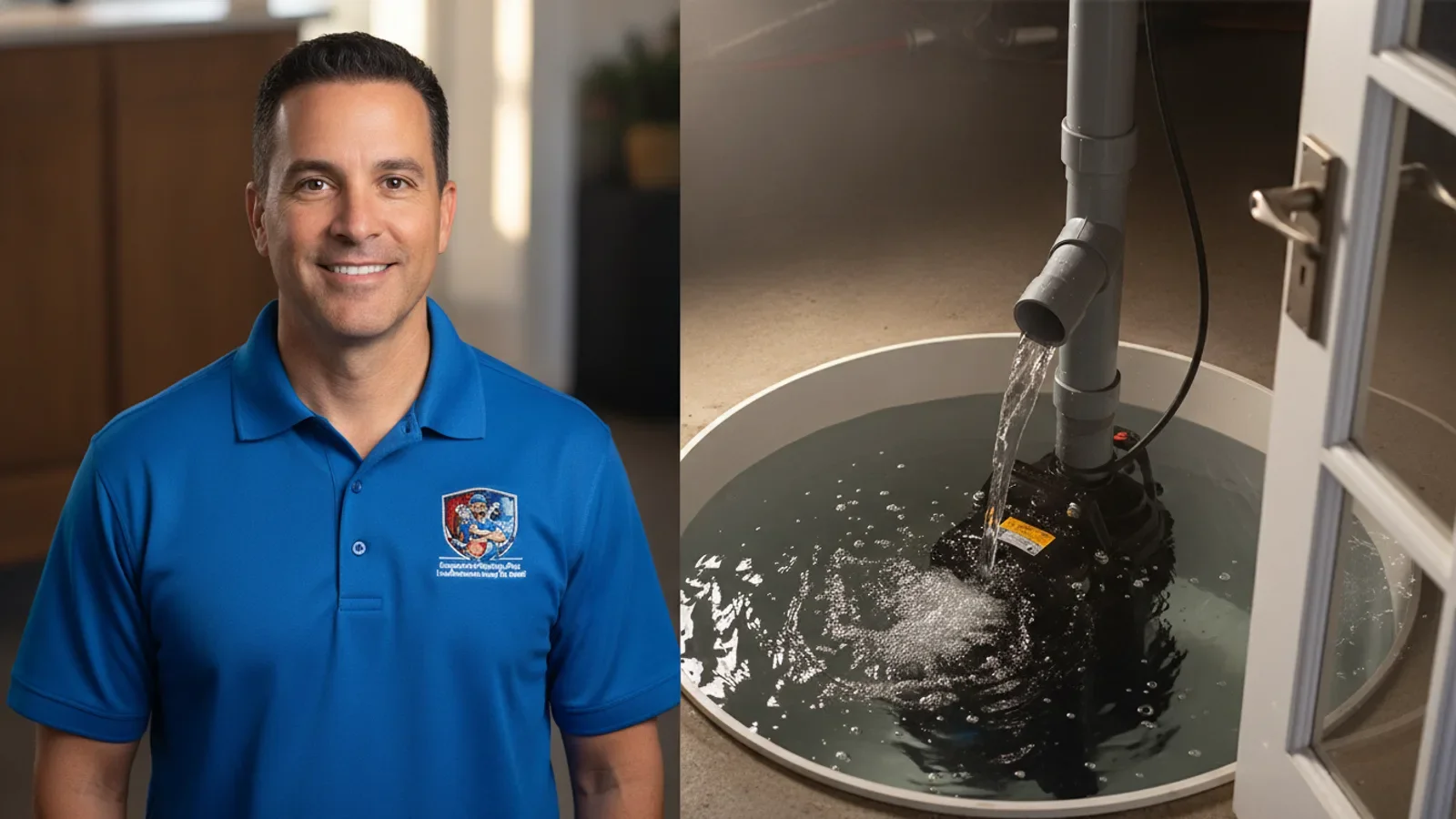
Most homes in the San Fernando Valley are built on concrete slabs, so basements and sump pumps are far less common here than in colder, wetter parts of the country. But they do exist. Some hillside houses in Sherman Oaks, Studio City, Encino and Woodland Hills have lower levels cut into a slope, some properties have below-grade garages, sunken rooms or basement-style spaces, and some have a sump pit to collect water that would otherwise seep in. When the rain finally arrives after a long dry stretch, it often comes in hard bursts, and a pump that has sat idle for months is suddenly asked to work flat out. A failure at that moment can quickly turn into a stressful plumbing emergency. This guide explains the risks, the warning signs and the steps that help you protect a home with a sump pump long before a plumber is needed.
Why Valley Sump Pumps Face Unusual Challenges
A pump in a rainy climate runs often and gets regular attention. A pump in the Valley may run only a few times a year, which creates its own problems. Parts that sit unused can stick or corrode, and nobody notices until the first big storm.
Long Dry Spells Followed by Sudden Downpours
Southern California typically goes months without significant rain, then receives a large share of its annual total in a few storms. After a dry summer, the soil can be hard and slow to absorb water, so runoff pours toward low spots and foundations. A float switch that has not moved in months may stick, and the pit may be full of dust and debris that washed in during the dry season. The pump has to work at full capacity exactly when conditions are worst.
Protecting Your Home From Local Flood Risks
Heavy rain can overload storm drains in streets and neighborhoods, and water may collect against walls, driveways that slope toward the house, and basement-level doors. Even properties that are not near a wash or channel can be affected by saturated ground and overloaded drainage. A sump pump is therefore not just a defense against a damp lower floor; it is one part of a larger plan to keep water away from the most vulnerable parts of the house.
Beyond Rain: How Heavy Storms Strain a Sump Pump
When a storm sits over the region for hours or days, a sump system faces a sustained, rather than occasional, workload. That is when weak points show.
Sustained Operation and Overheating
In a long storm the pump may run almost continuously. A motor that is undersized, partly clogged or worn can overheat and fail. Running constantly also wears out the float switch and the check valve faster, and an overworked pump is far more likely to quit just when the water is rising.
How a Sump Pump Handles Rising Groundwater
The pump's job is to move water from the collection pit away from the foundation. When the surrounding soil is saturated, water presses on foundation walls and floors, looking for cracks, joints and porous spots. The pump lowers the water level around the house and sends it through a discharge pipe to a safe location, such as a place on the property where it will not flow back toward the building. The system works only if every link holds: the pump's capacity, a float switch that activates promptly and a discharge line that is not blocked or damaged.
Warning Signals: Do Not Wait for an Emergency
A pump usually gives hints before it fails completely. Noticing them early can save you from major water damage and a costly emergency repair.
Sounds and Smells of Trouble
A healthy pump has a consistent, fairly quiet hum when it runs. Be alert for changes:
- Grinding or Loud Whirring: This can mean worn bearings, a damaged impeller or debris caught in the pump.
- Constant Running or Frequent Cycling: A pump that runs nonstop without heavy rain, or that switches on and off every few minutes, may have a stuck float switch, a blocked discharge line or a faulty check valve, or it may be too small for the job.
- Gurgling or Slurping Sounds: These can suggest that the pump is struggling to move water, drawing air or running with too little water in the pit.
- A musty or damp smell in a lower level, even with no visible water, can point to persistent moisture the pump is not handling.
Visual Cues That Need Attention
Look at the pit and the pump periodically:
- Rust or Corrosion: Rust on the casing, the electrical connections or the float switch signals age or moisture damage and can seize moving parts.
- Overheating: A casing that feels unusually hot suggests the motor is working too hard.
- High Water in the Pit: The pit should hold a large amount of water only when the pump needs to run. Standing water in dry weather means the pump is not keeping up or is not activating.
- Flickering Lights or Tripped Breakers: When the pump starts, these can point to an electrical fault or a motor drawing too much power and need prompt attention from a qualified professional.
- Debris in the Pit: Dirt, gravel and small items can clog the intake or block the float.
- Discharge Pipe Problems: Check for leaks, cracks or blockages. If water is not leaving freely, it may run back to the pit or create a new problem near the house.
Your Proactive Defense: A Sump Pump Maintenance Plan
For a home that depends on a sump pump, regular maintenance is the strongest protection, especially given how rarely the pump runs in the Valley.
Seasonal Checks and Inspections
Check the pump at least twice a year, ideally before the rainy season and again partway through the year. A basic checklist:
- Test the Pump: Slowly pour a bucket of water into the pit. The pump should start, empty the pit and shut off automatically. If it does not, or if it struggles, look at the float switch and the power supply.
- Clean the Pit: Unplug the pump and remove dirt, gravel and debris. Dust from the dry season often fills the pit.
- Check the Float Switch: Make sure it moves freely and is not tangled with cords or touching the pit wall. A stuck float is among the most common causes of failure.
- Inspect the Check Valve: It keeps water in the discharge pipe from flowing back into the pit. If you hear water return after the pump stops, the valve may need replacing.
- Verify the Discharge Pipe: Confirm the pipe is clear and ends where water can run away from the house, ideally onto a downward slope.
- Examine the Power Source: The pump should be plugged into a dedicated outlet with ground-fault protection, and the cord should be undamaged.
If you notice anything unusual, have a plumber look at the system. Emergency Plumbing Pro can help with the plumbing side of a pump and its discharge piping.
The Role of a Battery Backup
Storms sometimes cause power outages, and a pump without power is just a bucket. A battery backup pump automatically takes over if the main pump loses power or fails. It does not last forever, so check its battery and test it as part of your seasonal routine. For a home where a flooded lower level would be a major loss, it is worth discussing with a plumber.
Managing Exterior Drainage
A pump should be the last line of defense. The first line is keeping water away from the house. Keep gutters clear, extend downspouts several feet away from the foundation, and make sure the ground slopes away from the walls. Fix leaking irrigation lines that soak the soil next to the house, and keep drains and channels around patios and driveways clear of leaves and dirt. The less water that reaches the pit, the less the pump has to do.
When a Pump Fails: What to Do Before the Plumber Arrives
Even with good care, a pump can fail. If water is rising in your home, the first minutes count.
Put Safety First
Water and electricity are a dangerous mix. Standing water can hide hazards, and it may be contaminated.
- Cut the Power Carefully: If the panel is dry and reachable, turn off power to the affected area. If you would have to wade through water to reach it, do not. Call your utility for guidance.
- Stay Out of Standing Water: Avoid contact, especially if power is still on. Floodwater may carry sewage or chemicals.
- Account for Family and Pets: Make sure everyone is out of the affected area.
- Move Valuables: If it is safe, move documents, electronics and keepsakes to higher ground.
Limit the Damage While You Wait
Once everyone is safe, you can limit the damage:
- Find the Source: Decide whether the water is coming from outside or from a failed plumbing line, since that helps the plumber.
- Remove Water if Safe: If the water is shallow and contained, use buckets, mops or a wet-dry vacuum.
- Ventilate: Open windows and doors when the weather allows, and use fans only where it is safe to do so electrically.
- Document Everything: Photos and videos help with insurance claims.
- Call for Help: Call Emergency Plumbing Pro at (424) 610-9522 and explain the situation, including whether you have cut the power. We are open 24 hours, Sunday to Friday.
Time matters with water damage. Quick cleanup reduces the chance of mold and structural problems.
Choosing the Right Help for Water Problems
When water is entering a home, choose a plumber who will look at the whole picture, not only the pump.
What a Plumber Looks At
A plumber who understands the Valley should consider:
- Soil and Drainage: Whether the lot slopes toward the house, how the soil drains and where the discharge pipe can safely send water.
- Pipe Condition: Corrosion and scale in older lines, and whether a discharge or drain line has been damaged by roots or settling.
- Codes and Permits: Requirements for discharge piping, electrical connections and any work on drains and sewer lines.
- The Rest of the System: Sewer lines, floor drains and fixtures on the lower level, which can also back up when a storm overloads the system.
Related Plumbing Services
Emergency Plumbing Pro serves homes and businesses in Van Nuys and nearby Valley communities. For water-related problems the relevant services include emergency plumbing, leak detection and repair, pipe repair and replacement, and drain cleaning and sewer lines. A plumber can inspect the pipes connected to your pump, trace a leak and check the lower-level drains.
Choosing the Right Pump and Setup
If a pump has failed or is nearing the end of its life, replacing it is a chance to fix the weaknesses of the old setup, not only to swap the unit.
Submersible or Pedestal
A submersible pump sits inside the pit, under the water, where it runs quietly and is less likely to be disturbed. A pedestal pump has its motor mounted above the pit, which makes it easier to reach but louder and more exposed. Submersible models are the more common choice for homes where the pump matters and the space is finished, while a pedestal type may be used in a narrow, shallow pit. The right choice depends on the size of the pit, how often the pump runs and the budget.
Capacity and the Discharge Route
A pump has to move water faster than it arrives during a heavy storm. A unit that is too small will run continuously and burn out, while one that is much too large may cycle on and off too often. A plumber can estimate the needed capacity from the size of the pit, the height the water must be lifted and the length of the discharge line. The discharge route also matters: it should end well away from the foundation and from the neighboring property, with a check valve in the line and no sharp bends that restrict the flow.
Alarms and Simple Insurance Against Surprises
A high-water alarm costs little and gives you a warning before the water reaches the floor. Some homeowners also keep a spare pump on a shelf, or a simple log of when the pit was last cleaned and tested. These small habits turn a pump that fails silently into one that you hear about in time.
Sewage Ejector Pumps and Lower-Level Drains
A sump pump handles groundwater and rain. A separate device, the sewage ejector pump, is sometimes installed where a bathroom, laundry or kitchenette sits below the level of the sewer line and its waste cannot drain by gravity. The two should never be confused or connected to each other. If a lower-level bathroom in your home has a sealed basin in the floor, it is likely an ejector pit, and it needs its own care, including a sealed lid and a vent. A failure in that system is a sewage problem, not just a water problem, and it should be treated as an urgent call.
Floor drains in garages and lower levels can also back up when the sewer line is overloaded in a storm. If one of them bubbles or gurgles during heavy rain, that is a sign the line needs attention, not only the pump.
A Quick Pre-Storm Routine
When the forecast shows a significant storm, a ten-minute routine can make the difference. Test the pump with a bucket of water, confirm the discharge line is clear and its outlet is not buried in leaves or mud, and check that the outlet is not tripped. If you have a backup battery, look at its indicator. Move stored items off the floor of any lower-level room, and know where the main water shutoff and the electrical panel are. If you will be away during the storm, ask someone you trust to check the pit and the lower level while you are gone.
FAQ: Sump Pump Questions
How often should a sump pump be serviced?
At least once a year, ideally before the rainy season. If the pump protects a space that would be costly to lose, a second check partway through the year gives extra assurance.
How long does a sump pump last?
Many pumps are cited as lasting around seven to ten years, but actual life depends on how often the pump runs, the quality of the unit and how well it is maintained. A pump that runs rarely may still fail from sticking or corrosion, so test it even in dry years.
Can I install a battery backup myself?
It involves electrical connections, correct plumbing and sizing, so professional installation is the safer choice. A backup that is installed wrongly will fail when you need it.
My sump pump runs constantly. Is that normal?
Not outside a major storm. Constant running usually points to a stuck float, a blocked discharge line, a bad check valve or a pump too small for the job. Have it inspected soon.
What is the risk of ignoring warning signs?
The pump may fail completely and a lower level may flood. That can damage belongings, encourage mold and weaken materials, and cleanup costs far more than maintenance or an early repair.
Protecting a lower level from heavy-rain flooding is a smart investment. Do not wait for the next storm to expose a weakness. If you have a pump that needs checking or a water problem you cannot trace, contact Emergency Plumbing Pro and ask for an inspection.