

Garbage Disposal Care and Kitchen Drain Cleaning in Van Nuys Homes
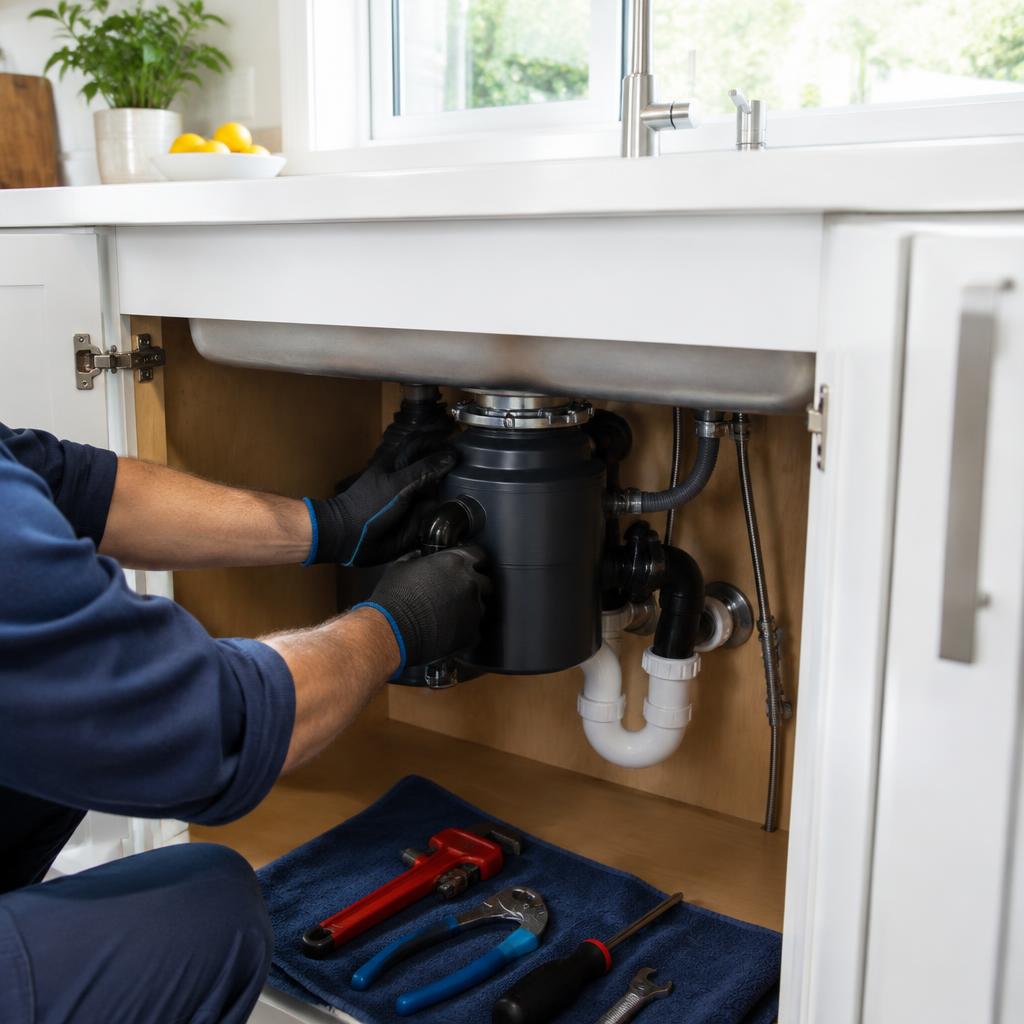
The garbage disposal takes more blame than it deserves. When the kitchen sink backs up or the disposal hums without grinding, the disposal itself is often fine, and the real trouble sits in the trap or the branch line behind it. Knowing which is which saves effort, and regular drain cleaning keeps the whole assembly working together.
What a Disposal Can and Cannot Handle
A disposal is built for small food scraps rinsed off plates, not as a second trash can. These are the usual troublemakers:
- Grease, oil, and fat, which stay liquid while warm and harden in the pipe a few feet downstream
- Fibrous produce, such as celery, corn husks, and artichoke leaves, that wraps around the grinding parts
- Starches, including rice, pasta, and potato peels, which turn to paste in the trap
- Bones and fruit pits, too hard for most household units
- Coffee grounds, which settle into grease and form a dense sediment
Humming, Jammed, or Leaking: What Each Symptom Means
A hum with no grinding means the motor is running but the impellers are stuck, usually on something hard. The reset button and the hex socket on the underside of the unit clear many jams without any repair.
Silence when you flip the switch often means the thermal overload tripped after a jam. Let the unit cool, press the reset button, and try again.
Water under the sink points to one of three joints: where the disposal meets the sink flange, at the dishwasher hose connection, or at the discharge pipe. The unit body rarely leaks. The connections do, and a seep that goes ignored eventually ruins the cabinet floor.
The Real Problem: The Pipe Behind the Disposal
Ground food still has to travel through the trap and the branch line. Grease and starch paste coat that pipe steadily, and the first sign is rarely a full stop. It is slower drainage, a gurgle from the neighboring basin, and a sour smell rising from the drain.
Hard water, which is common across much of the San Fernando Valley, makes this worse. Minerals bind the grease into a layered, hardened scale that hot water and dish soap will not shift. That calls for mechanical cleaning: a cable through the trap and branch line, or hydro jetting for lines with years of buildup.
Why the Smell Lingers After You Clean the Disposal
Citrus peels and ice freshen the grinding chamber, but an odor that returns within days comes from deeper, from the grease film lining the branch line and the sludge in the trap. Cleaning the disposal while ignoring the pipe treats the symptom. A full kitchen line cleaning goes after the source.
A Maintenance Rhythm That Works
- Scrape plates into the trash before rinsing
- Run cold water during every grind and for about 15 seconds afterward
- Never pour grease down any drain; collect it in a can
- Grind a few citrus peels once a week to keep the chamber fresh
- Book a line cleaning at the first sign of slow drainage
Frequently Asked Questions
Can I run the disposal without water?
No. Water carries the ground waste through the trap. Running it dry packs material into the pipe and is the quickest route to a clog.
How long should a garbage disposal last?
Roughly ten to twelve years with reasonable use. Leaks at the seams, grinding that gets louder, and frequent resets are signs a unit is nearing the end.
My other sink backs up when the disposal runs. Why?
The two basins share a branch line. If one backs up while the other drains, the shared line is narrowing, and cleaning it now is better than waiting for it to stop completely.
Should a disposal be repaired or replaced?
Jams and resets are repair territory. A cracked housing, a dead motor, or a unit well past ten years old is usually replaced, and the connections and drain line are worth cleaning at the same time.