

Emergency Plumber in Van Nuys: Slab Leak Detection & Repair
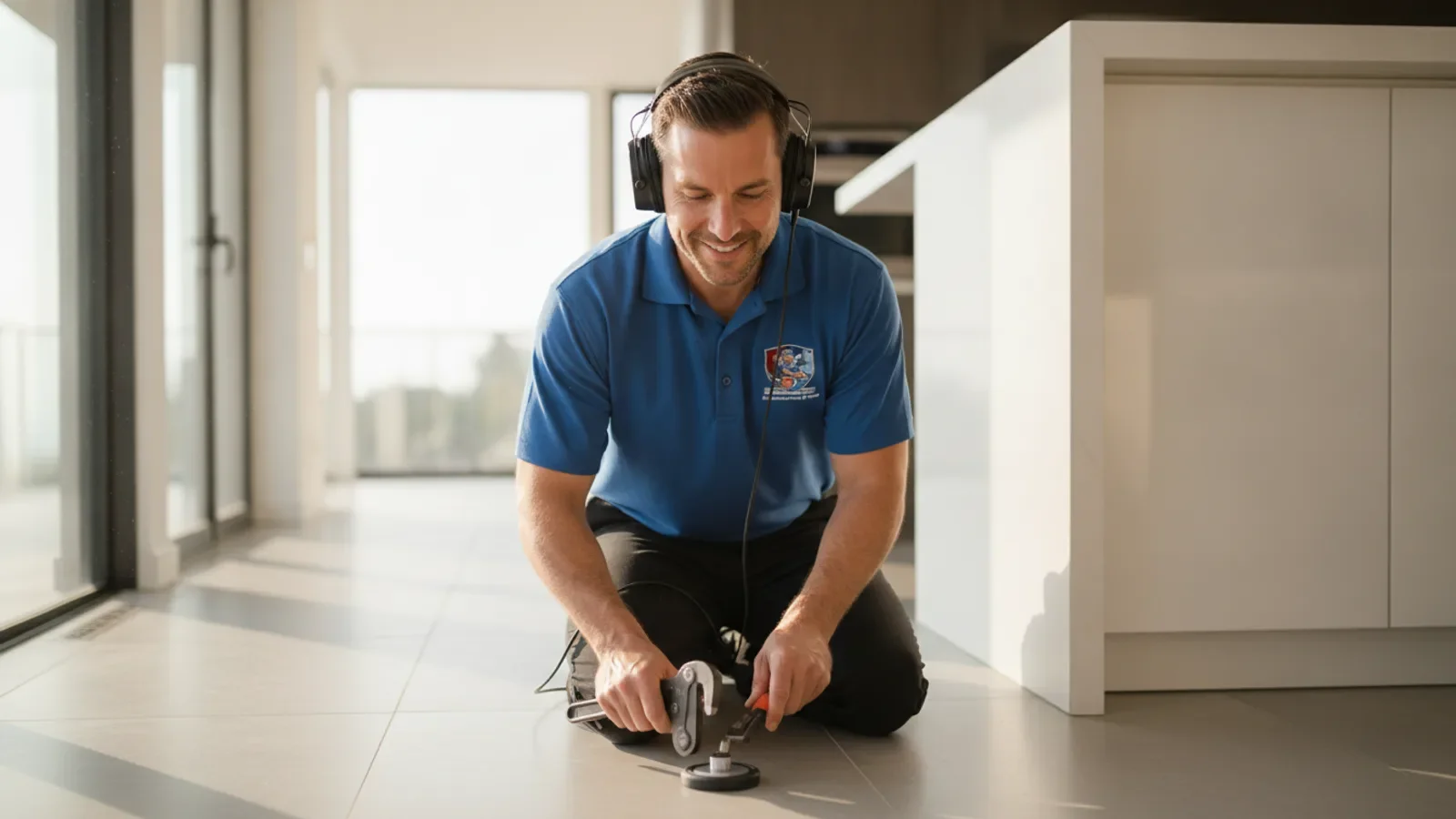
Much of the San Fernando Valley was built on concrete slab foundations, and that brings a specific risk for homeowners: the slab leak. These hidden pipe failures under a home's foundation can cause structural damage, lead to mold growth and inflate water bills dramatically if they are not addressed quickly. This guide explains what slab leaks are, how to recognize their subtle signs, and why calling an emergency plumber in Van Nuys promptly is important for protecting your property.
The Silent Threat Beneath Your Home: Understanding Slab Leaks
Slab leaks are a particular concern for properties built on concrete slabs, which are common across Southern California. Unlike a visible burst under a sink, a slab leak happens out of sight, so early detection is difficult but critical. When neglected, the constant flow of water can erode soil, undermine foundations and create a breeding ground for mold.
What Exactly Is a Slab Leak?
A slab leak is a leak in a hot or cold water line embedded in or directly beneath the concrete slab. These lines are typically copper, PEX or, in older homes, galvanized steel, and they carry water to the fixtures throughout the house. Over time, soil movement, corrosion, high water pressure, hard water and sometimes poor installation can weaken these pipes and cause pinhole leaks or cracks.
Why Valley Homes Can Be Vulnerable
Many Valley homes were built in the middle of the last century, so their under-slab copper or galvanized lines have decades of service behind them. Hard water speeds up wear on the inside of the pipe, and soil that swells and shrinks with moisture can put stress on buried lines. Earthquake activity, even minor tremors, can strain plumbing as the ground moves. Hot, dry summers and wet winters mean the soil around a foundation is rarely stable for long, which is one reason slab leaks show up so regularly in older neighborhoods.
The Hidden Dangers of Ignoring a Slab Leak
The consequences go far beyond a high water bill. Continuous moisture can compromise the foundation and lead to wall cracks, uneven floors and structural problems. A damp environment is ideal for mold and mildew, which can spread quickly and affect indoor air quality. And the water wasted by a hidden leak can add up to a large volume every month.
Telltale Signs: How to Spot a Slab Leak Before It Is Too Late
Because slab leaks are hidden, knowing the signs is your best defense. Early detection can spare you from costly repairs and extensive damage. Pay close attention to changes in your home and your utility bills.
Water Bills and Water Pressure: The First Clues
One of the earliest indicators of a slab leak is an unexplained jump in the water bill. If your habits have not changed but the bill is noticeably higher, a hidden leak is a strong possibility. A sudden or gradual drop in water pressure, throughout the house or in particular areas, can also suggest that water is escaping somewhere it should not, such as under the foundation.
Visible and Audible Indicators Inside Your Home
The leak itself is hidden, but its effects often are not. Watch for:
- Warm Spots on Floors: If a hot water line is leaking, you may feel warm areas on the floor, especially on concrete or tile.
- Damp or Stained Flooring: Water can wick up through the slab, causing damp spots, discoloration or warping in carpet, hardwood or laminate.
- Moldy or Musty Odors: Persistent musty smells, especially near walls, can indicate hidden moisture and mold growth.
- The Sound of Running Water: If you hear faint running water when every faucet and appliance is off, it is a strong sign of a leak.
Exterior Warnings: Cracks and Shifting
Outside, a long-term slab leak can lead to more serious issues. You might notice new cracks in the foundation, walls or nearby paving. Patios or walkways beside the house may settle or crack. These are warning signs that the ground beneath the home is being eroded or saturated.
Why a Damp Floor Is Not Your Only Problem: Slab Leak Detection
The signs above matter to homeowners, but accurately locating a slab leak takes specialized tools and skill. Finding a damp spot is not enough. Pinpointing the exact source prevents unnecessary demolition and makes for a more efficient repair.
Acoustic Listening Devices and Thermal Imaging
Acoustic listening devices amplify the faint sound of water escaping a pressurized pipe, so the sound can be traced to its origin. Thermal imaging cameras detect subtle temperature differences on floor surfaces. A hot water leak shows up as a warm area, even through concrete, which guides the plumber to the affected pipe.
Pressure Testing and Meter Monitoring
Before advanced tools come out, a plumber will often pressure test your hot and cold water lines. By isolating sections of plumbing and watching a gauge, they can tell whether a specific line is losing pressure. Checking the main water meter is also a key first step: if the meter keeps moving with all water off inside the house, a leak exists somewhere in the system, potentially under the slab.
Pinpointing the Location Without Extensive Damage
The goal of leak detection is to find the leak with as little disruption to the home as possible. When the spot is marked accurately, the demolition needed to reach the pipe can be kept to a minimum, which saves time, money and hassle.
Beyond a Simple Patch: Slab Leak Repair Options
Once a slab leak is found, the next step is choosing the most effective and least disruptive repair. There is no one-size-fits-all answer. The best approach depends on the type of pipe, the severity of the leak and its location.
Spot Repair vs. Rerouting vs. Repiping
- Spot Repair (Slab Penetration): If the leak is isolated and the surrounding pipes are in good shape, a spot repair is often the most direct option. The slab is carefully opened directly above the leak, the damaged section of pipe is repaired or replaced, and the slab is restored. It suits single, small leaks.
- Tunneling: Instead of breaking through the slab inside the home, a tunnel can sometimes be dug from the exterior to reach the leak. This can be preferred when the leak is deep or when working from above would disturb finished flooring.
- Rerouting or Repiping: If there are multiple leaks, or the existing pipes are old and prone to failure, rerouting the affected line or a full repipe may be recommended. New pipes run through the attic, walls or above the slab, bypassing the problem underground lines entirely. In some cases, trenchless methods such as pipe bursting or pipe lining may be viable, depending on the pipe material and situation.
The Importance of a Structured Repair Plan
Every slab leak repair should begin with a thorough assessment and a clear plan. A good plumber explains the options and outlines the process. The steps include isolating the water, safely reaching the leak, repairing or replacing the damaged section, pressure testing the repaired line, and finally restoring the area.
When Every Minute Counts: Why Acting Promptly Matters
A slab leak is more than an inconvenience. It is a pressing issue, and delay can turn a manageable problem into a serious one that hits both your home and your budget.
Preventing Serious Damage
The longer a slab leak goes unaddressed, the worse the damage. Continuous flow can erode the soil beneath the foundation, causing settling and structural problems. It can also saturate building materials, leading to wood rot, drywall damage and mold that needs costly remediation. Acting promptly can halt that progression before it escalates.
Health Risks and Property Value Concerns
Mold and mildew thrive in the damp conditions a slab leak creates. Exposure can trigger respiratory problems and allergies. A history of unaddressed leaks and the damage that follows can also lower a property's value and make it harder to sell or insure. Prompt repair protects both your family and your investment.
Who to Call
If you suspect a slab leak in Van Nuys, Encino, Sherman Oaks, Reseda or elsewhere in the San Fernando Valley, call Emergency Plumbing Pro at (424) 610-9522. Leak detection and repair are part of the services offered for homes and businesses.
Building Resilience: Proactive Measures Against Slab Leaks
Some slab leaks cannot be avoided, but there are steps homeowners can take to lower the risk. Maintenance and awareness are the keys to preventing the most damaging outcomes.
Regular Plumbing Maintenance and Inspections
Just as a car needs regular tune-ups, a plumbing system benefits from routine inspections. A skilled plumber can spot early signs of wear, corrosion or pressure imbalance that could lead to a slab leak later. Checks can include cameras for accessible pipes, to assess their condition before they become a hidden problem.
Understanding Your Home's Plumbing System
Know where your main water shutoff valve is. Being able to turn it off quickly limits damage in any plumbing emergency, including a slab leak. Understanding the age and material of your pipes also helps you anticipate trouble. Older homes with original copper or galvanized pipes can be at higher risk of corrosion-related leaks than homes with newer PEX lines.
The Role of Water Pressure Regulation
High water pressure adds stress to pipes and can speed up the development of leaks, particularly in older or weaker pipes. A pressure reducing valve (PRV) regulates the pressure to a safe level, typically between 40 and 60 psi. It can extend the life of the plumbing system and reduce the likelihood of slab leaks, other pipe failures and appliance wear. If you are not sure about your home's pressure, a plumber can test it and recommend a solution.
Comparing Slab Leak Detection & Repair Methods
| Method | Description | Pros | Cons | Best For |
|---|---|---|---|---|
| Acoustic Detection | Uses sensitive listening devices to pinpoint water sound. | Non-invasive, highly accurate. | Needs a quiet environment and a skilled operator. | Pinpointing small leaks with minimal disruption. |
| Thermal Imaging | Detects temperature differences caused by hot or cold water. | Non-invasive, visually clear, helpful for hot water leaks. | Less effective for cold water leaks, can be affected by floor heating. | Hot water leaks, identifying damp areas. |
| Pressure Testing | Isolates pipe sections to check for pressure drops. | Confirms a leak exists, identifies the affected line. | Does not pinpoint the exact location, requires pipe access. | Initial leak confirmation, narrowing down affected lines. |
| Spot Repair | Breaks the slab only at the leak location and repairs the pipe. | Limited disruption if the location is precise. | May miss other weak spots, risk of future leaks nearby. | Isolated, single leaks with good surrounding pipe condition. |
| Rerouting or Bypass | Installs new pipe through walls or attic and abandons the old line. | Avoids slab disruption, replaces problem lines. | More extensive work, can be disruptive. | Multiple leaks, aged pipes, inaccessible leak locations. |
| Trenchless Repair | Pipe lining or bursting methods for underground pipes. | Minimal digging, less invasive. | Not suitable for all pipe types and conditions. | Long sections of damaged pipe in certain materials. |
FAQ: Your Urgent Questions About Slab Leaks
How quickly should I address a suspected slab leak?
As soon as you notice the signs. Delays can lead to structural damage, mold growth and higher repair costs. Contact an emergency plumber promptly.
Will my homeowner's insurance cover slab leak repairs?
Coverage varies widely by policy. Many policies cover sudden and accidental damage but not slow leaks or damage caused by neglect. Check with your insurance provider directly.
Can I detect a slab leak myself?
You can spot common signs such as high water bills or damp spots. Pinpointing the exact location, however, takes professional equipment and experience, so that repair work does not cause unnecessary damage.
How long does slab leak repair take?
It depends on the scope. A simple spot repair is a shorter job, while a full reroute or a more complex trenchless method takes longer. A plumber can give you a realistic expectation after finding the leak.
Is it better to repair or reroute a leaking pipe under the slab?
It depends on the pipe's condition, age and the number of leaks. A single, isolated leak may suit a spot repair, while multiple leaks or an aging system often benefit from rerouting or a full repipe for long-term reliability.
Which areas does Emergency Plumbing Pro serve?
Emergency Plumbing Pro serves Van Nuys, Lake Balboa, Encino, Sherman Oaks, Tarzana, Studio City, Valley Village, North Hollywood, Reseda, Woodland Hills, Calabasas, Porter Ranch, Pacific Palisades, Bel Air and Chatsworth. The business is open 24 hours, Sunday to Friday.
Do not let a hidden slab leak undermine your home. If you suspect a problem, act quickly to protect your property. Contact Emergency Plumbing Pro to talk about slab leak inspection and repair.