

Van Nuys Emergency Plumber: Stubborn Shower Drain Clogs and Grit
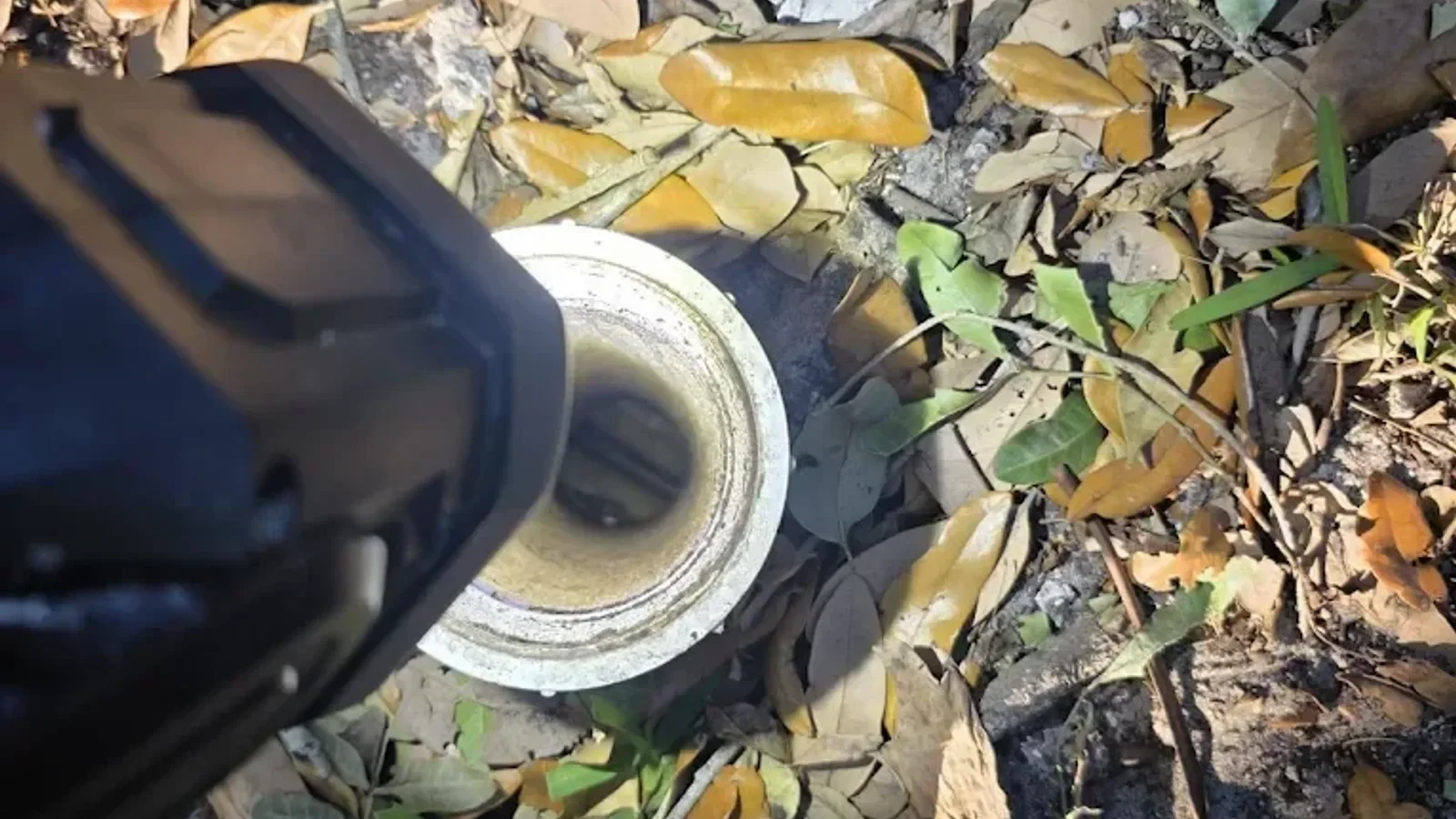
A shower drain looks simple, but it is one of the most clog-prone spots in a house. In the San Fernando Valley, hot summers, backyard pools, patio showers and hard water add extra ingredients to the usual hair and soap. Grit from a pool deck, dirt from gardening and mineral scale from hard water all behave differently from ordinary household waste, and together they can pack a drain line into something close to concrete. When that happens, the blockage often needs an emergency plumber in Van Nuys rather than another bottle from the hardware store.
Over time, heavy particles settle in the low bends of a drain line. Mixed with body oils, hair and soap residue, they form a dense plug that ordinary remedies cannot move. Knowing how these clogs form, how to protect your drains and when to call a professional for drain cleaning in the Valley can spare you a messy backup.
Why Heavy Debris Clogs Are Different From Ordinary Blockages
The Physics of Heavy Particles in Drain Pipes
Most household clogs are made of hair, grease and paper. These materials are light and tend to drift or break down. Grit, silt and mineral scale are different. They are heavy, they do not dissolve, and gravity pulls them to the bottom of a horizontal pipe. Unless water flows fast enough to carry them all the way to the sewer, they stay behind and form a bed along the bottom of the line, narrowing it a little more with each shower.
The Concrete Effect: Soap Scum Plus Grit
Soaps, body washes and conditioners leave a sticky film on the inside of drain pipes. Particles of grit and scale settle into that film, and hair weaves through it like rebar. As more material arrives, the mass thickens and partly dries between showers, until the pipe is nearly blocked by something that feels like hardened paste. In hard-water areas, mineral scale adds yet another layer that makes the pipe wall rough and grabby.
Why Chemical Drain Openers Often Fail
When a shower stops draining, many people reach for a chemical opener. Those products are designed to eat away organic material such as hair and grease. They do nothing to grit, silt or mineral scale. The liquid sits on top of a heavy blockage and can attack the pipe, fittings and traps instead. It is also hazardous for anyone who later has to work on the drain by hand. If a product has not worked after one try, stop and call a plumber rather than adding more.
The Hidden Threat to Outdoor and Pool-Area Showers
Why Outdoor Drains Collect More Debris
Indoor fixtures have a trap that is easy to reach and a steady flow from daily use. Outdoor showers, pool-house showers and patio drains are often added later and may lack a strainer basket, a dirt trap or an accessible cleanout. They are open to wind-blown dirt, leaves, mulch and pool-deck grit, which wash into the line every time it rains or someone rinses off.
Tree Roots Following the Warm Water
Drain lines that serve outdoor fixtures are often buried at a shallow depth. Warm, soapy runoff is a steady source of moisture, and thirsty roots from nearby trees and shrubs follow it. Once a root finds a joint, it grows inside the pipe and forms a net that catches every particle of grit and every strand of hair that comes along.
Sagging Drain Lines
Over the years, soil settling can cause buried plastic drain lines to lose their slope and develop a belly, a low spot where water pools. Heavy debris drops straight into that low spot and fills it. The result is a sudden, complete stoppage, often at the least convenient moment, such as when guests are staying.
How Hydro-Jetting Clears Packed Drain Lines
The Limits of a Cable Machine
A plumbing snake or auger is good at punching through a clump of hair or wipes. It is much less effective against packed grit and hardened scale: the cable passes through, leaving a small hole, and the material settles back into place once the cable is withdrawn. It is a bit like poking a stick through a pile of loose dirt.
The Power of Hydro-Jetting
Hydro-jetting feeds a hose with a special nozzle into the drain through a cleanout. Water at high pressure comes out of the nozzle in several jets. Forward jets break up the blockage, and rear-facing jets drive debris back out of the pipe while scouring the walls. For a line packed with heavy sediment and soap film, it is usually the most reliable way to restore the full diameter of the pipe. Drain cleaning is one of the services Emergency Plumbing Pro offers for homes and businesses across the Valley.
Hydro-Jetting vs. Cable Snaking for Packed Debris
| Feature | Traditional Cable Snaking | High-Pressure Hydro-Jetting |
|---|---|---|
| Primary Action | Punches a hole through a soft blockage | Flushes, scours and carries debris out of the pipe |
| Effect on Packed Grit | Low; material resettles around the cable | High; washes the debris out of the line |
| Soap Scum and Grease | Scrapes a narrow path | Strips the film from the pipe walls |
| Small Roots | Cuts or tears them temporarily | Cuts them back at the entry point |
Prevention for Valley Households
Install a Strainer or Debris Trap
The most effective protection is to stop debris before it enters the pipe. A fine hair catcher in an indoor shower keeps most hair out. For outdoor showers and patio drains, a basket strainer or a debris trap with a deep chamber lets heavy particles settle where you can scoop them out. It does need to be emptied regularly, but that is far easier than clearing a buried pipe.
Choose the Right Grate and Screen
Decorative grates often have wide openings that let leaves, gravel and grit through. A finer insert beneath the grate works as a first filter. Expect to clean it more often after pool parties, gardening or windy weather.
Flush Regularly With Hot Water
After heavy use, run hot water down the drain for a few minutes without soap. That helps melt fresh body oils and soap residue before they harden around other debris. For a household with heavy use, an annual drain inspection and cleaning is a reasonable habit.
When to Call an Emergency Plumber
Signs of a Main Line Backup
A clog in one shower is inconvenient. A blockage that has moved into the main drain line is an emergency. If running the outdoor shower makes water bubble up in a downstairs tub or toilet, or if you smell sewage near the patio, the main line is probably affected. Stop running water in the house and call.
Slow Drains That Will Not Clear
If a shower takes a long time to drain or a nearby drain gurgles when it empties, the pipe is already restricted. Many people wait until the drain stops completely. A slow drain is the best moment to act, because the repair is simpler and you avoid a pressurized backup in the middle of a busy week.
Wet Spots or Sunken Ground in the Yard
When a drain line is blocked and already weakened by age, shifting soil or roots, backed-up water can force a joint apart underground. Water then escapes into the soil, softening the ground under a lawn, patio or deck. Unexplained soft spots near a drain line deserve a prompt inspection before the damage spreads.
Indoor Shower Drains: Hair, Scale and Soap Film
Most indoor shower clogs have a simpler recipe than patio drains: long hair wrapped around a rough, scaled pipe wall and held together by soap film. Hard water makes it worse because the scale gives hair something to grab. A hair catcher is the cheapest protection, and pulling the stopper or strainer and cleaning it every few weeks prevents most slow drains. If the shower still drains slowly with the strainer clean, the blockage is deeper in the line, and that is the time to have it cleared properly rather than repeating chemical treatments that leave residue in the trap.
FAQ: Shower Drain Clogs and Outdoor Drains
Can I clear a heavy clog with a garden hose?
Usually not. A garden hose lacks the pressure and the nozzle needed to break up packed debris, and pushing a hose into a drain can compact the blockage further, making it harder for a plumber to remove.
Does homeowners insurance cover drain clogs?
Standard policies often do not cover blockages that result from wear, lack of maintenance or gradual buildup. Some policies offer a water backup endorsement. Check your policy or ask your insurer.
How often should I clean an outdoor drain trap?
That depends on use. A trap beneath a pool-area shower may need checking every few weeks in the busy summer months, while one that is rarely used can be checked each season. If you see standing water, clean it right away.
Can debris from a drain damage a septic system?
Most Valley homes are connected to a city sewer, but a property on a septic system should take care. Heavy grit that reaches the tank settles to the bottom, reduces the tank's working volume and can contribute to problems in the drain field.