

After an Earthquake: Emergency Plumbing Checks for Valley Homes
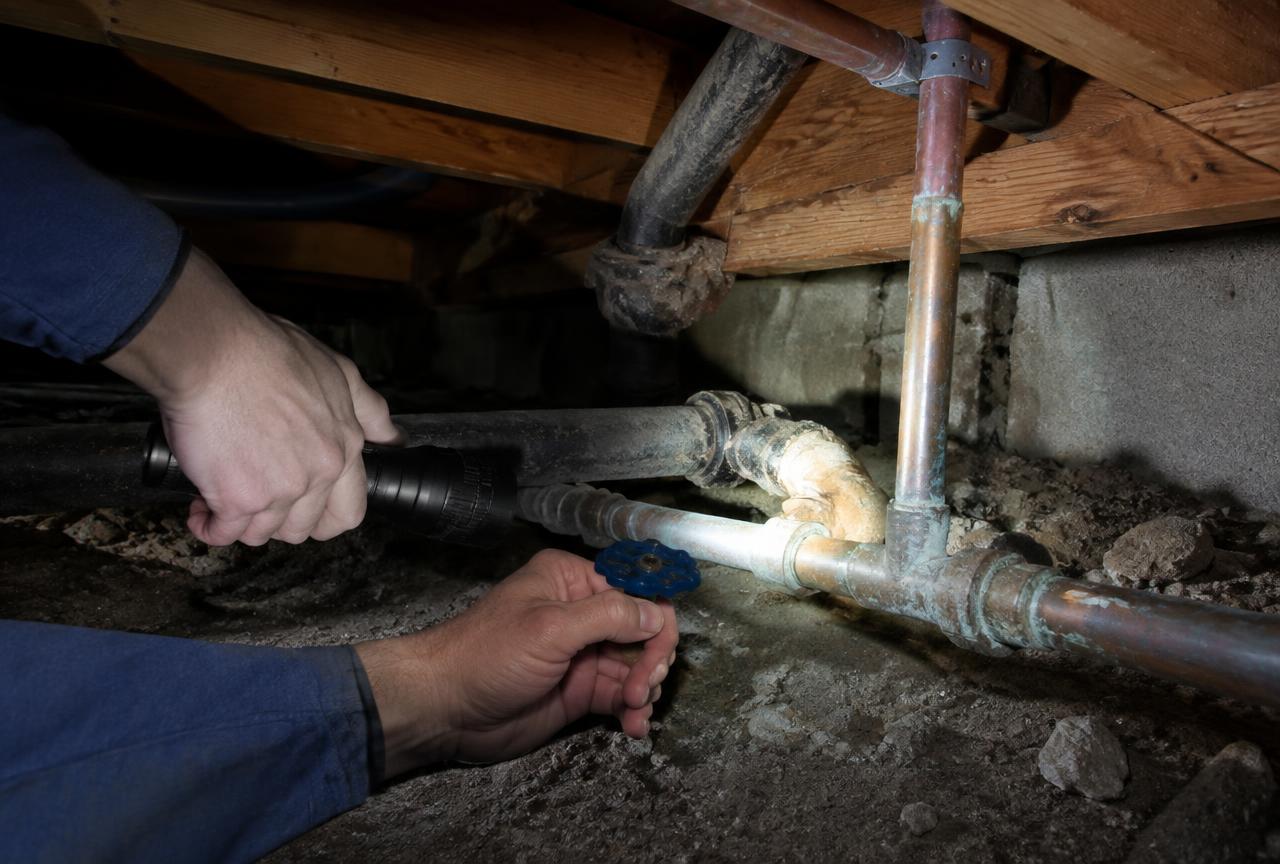
Southern California shakes on a regular basis, and the San Fernando Valley knows it well, since the 1994 Northridge earthquake was centered here. Even a moderate quake can crack pipes, move underground lines, and loosen connections hidden in walls and under floors. Many quake-related plumbing failures do not show up right away, which is exactly why a methodical check after every significant quake matters. Knowing what to look for, and when to call an emergency plumber, keeps slow leaks from becoming major damage.
Why Earthquakes Damage Plumbing Systems
When the ground moves, everything attached to it moves too, but not at the same pace. Rigid copper pipes, cast iron drain lines, and gas connections flex far less than the soil and framing around them. Common earthquake damage includes:
- Cracked or split supply pipes where they pass through walls or foundations
- Loosened fittings and joints that weep slowly after the shaking stops
- Shifted underground water and sewer lines, especially older clay and cast iron pipe
- Damaged water heater connections and broken seismic strapping
- Slab leaks from lines that shifted under the concrete foundation, a common layout in mid-century Valley homes
Your Post-Earthquake Checklist
Check for Immediate Leaks First
Walk through the house and listen for running water while every fixture is off. Look at ceilings, walls, and floors for new stains, damp spots, or buckling. Check under every sink and around the water heater.
Test Your Water Pressure
A sudden drop in pressure can mean a broken supply line underground. A sudden spike can mean a pressure regulator was knocked out of adjustment. Either one deserves a professional look.
Check the Gas System
If you smell gas or hear hissing near the meter, leave right away and call your gas utility from outside. Do not touch light switches or anything that could spark. After the utility has dealt with the leak, a plumber can repair damaged gas lines and connections.
Inspect the Water Heater
Confirm the unit is still upright and its seismic strapping held. Look for leaks at the top and bottom connections, and on gas models check that the pilot light is still lit. A tipped or leaking heater is a serious hazard and needs prompt water heater service.
Watch the Drains
Flush each toilet and run each faucet. Gurgling, slow drainage in several fixtures, or sewage odors after a quake often mean an underground sewer line has cracked or separated.
Check Your Water Meter
Turn off every fixture and watch the meter. If it still moves, water is escaping somewhere in the system, possibly underground where the damage cannot be seen.
Warning Signs of Hidden Damage
Some earthquake damage surfaces days or weeks later. Call an emergency plumbing company if you notice:
- An unexplained jump in your water bill
- Warm or damp spots on the floor, a classic slab leak sign
- The sound of dripping inside walls
- Mold or a musty smell in an area that used to be dry
- Cracks in drywall that follow pipe routes
- Soggy areas or unusually green patches in the yard
What to Do If You Find a Leak
- Shut off the main water valve to stop active flooding
- Turn off the water heater so a drained tank does not overheat
- Photograph the damage for your insurance records
- Move belongings away from affected areas
- Call an emergency plumber instead of waiting to see if it gets worse
Even a small leak can soak framing and drywall quickly, and hidden moisture can lead to mold within days.
Frequently Asked Questions
Should I have my plumbing inspected after every earthquake?
After any quake strong enough to feel, a visual check of fixtures, the water heater, and exposed pipes is smart. If you notice any of the warning signs above, or if the shaking was strong, a professional inspection is worth the peace of mind.
Can an earthquake cause a slab leak?
Yes. Underground supply lines can shift or crack beneath a concrete foundation. Warm spots on the floor, rising water bills, and the sound of running water are the classic indicators.
Does insurance cover earthquake plumbing damage?
Homeowners policies often cover sudden water damage, but earthquake-specific damage usually requires separate earthquake insurance. Prompt documentation and a written repair report help support either kind of claim.
When can I reach Emergency Plumbing Pro after a quake?
Emergency Plumbing Pro is open 24 hours, Sunday to Friday. Call (424) 610-9522 and describe what you found, especially any active leak.
Can older Valley homes be protected before the next quake?
Yes. Flexible supply connectors, seismic strapping for the water heater, an automatic gas shutoff valve, and pressure regulation all reduce the risk of earthquake damage.