

Emergency Plumber in Van Nuys: Why Pipes Fail Suddenly
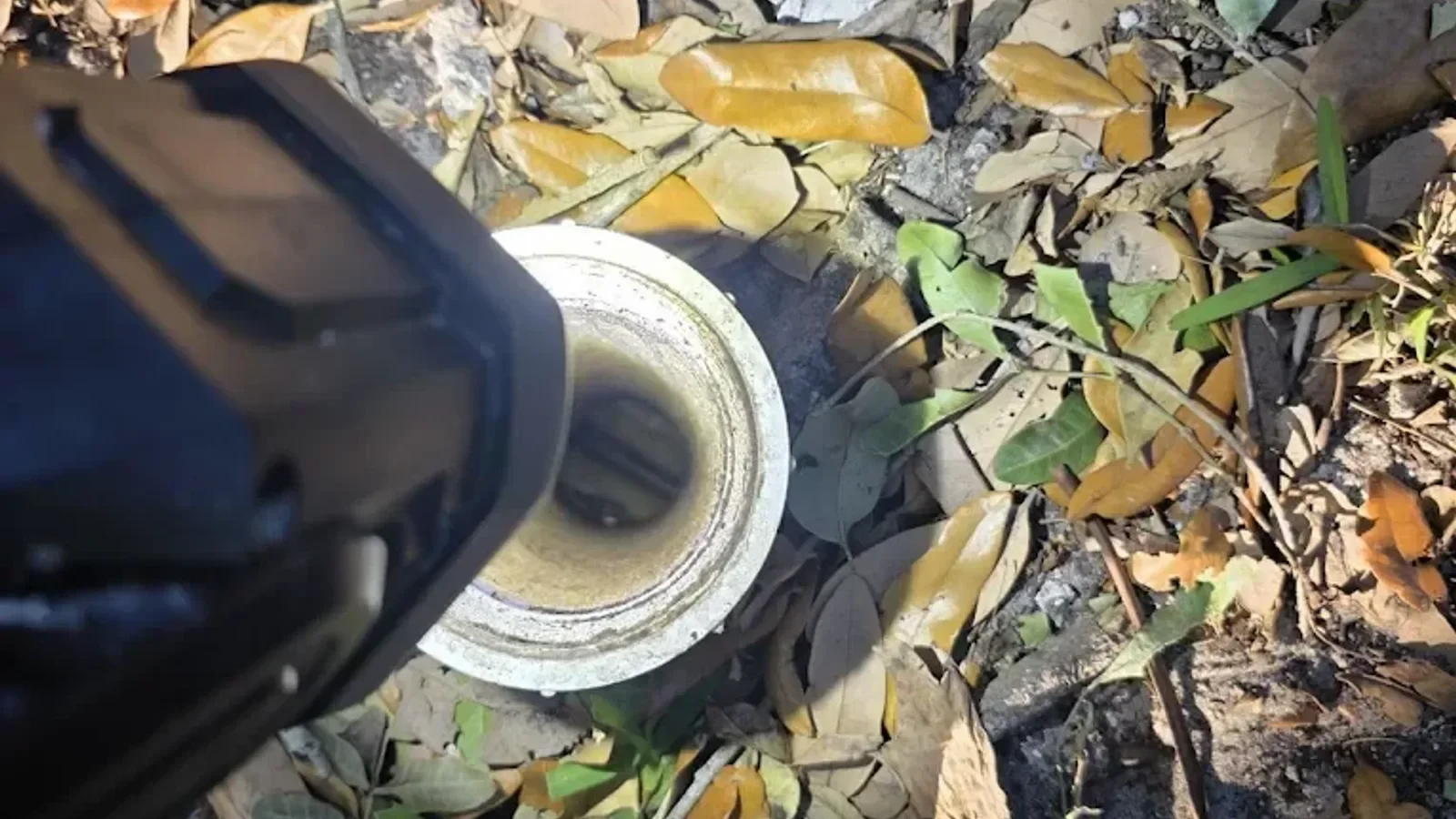
A perfectly ordinary Tuesday can go sideways in minutes when a pipe lets go. Across Van Nuys and the San Fernando Valley, aging supply lines, hard water, shifting soil, earthquake stress and sudden pressure surges create conditions that turn small weaknesses into floods. This guide explains why pipe failures happen, what the warning signs look like, and what to do the moment something goes wrong.
Why Older Valley Homes Are Tougher on Pipes Than Owners Realize
Age and Accelerated Corrosion
Metal pipes and fittings wear out. Much of the Valley's housing dates from the postwar building boom, and plenty of homes still have original galvanized steel supply lines or early copper that has been in service for fifty years or more. Galvanized steel rusts from the inside until the bore narrows, and copper can develop pinhole leaks where the pipe wall has been eaten away by water chemistry or by moisture on the outside. Pinholes start small, often hidden behind drywall, and by the time a stain appears on a ceiling or the floor of a cabinet, the damage behind it is already significant.
If your home was built before the late 1990s and still has original supply lines, the corrosion risk is real and worth a professional assessment before a pinhole becomes a burst.
Heat Cycling in Walls and Attics
Valley summers are hot, and attics, garages and exterior walls swing from cool mornings to scorching afternoons. That daily expansion-and-contraction cycle stresses pipe joints and the sealants around them. Over years, soldered joints and compression fittings that would last decades in a gentler climate can develop slow weeps that eventually fail under normal household water pressure.
Hard Water Mineral Buildup
Water across the San Fernando Valley is on the hard side. Calcium and magnesium carbonate deposits build up inside pipes over time, narrowing the internal diameter and creating rough surfaces where pressure concentrates. In older galvanized lines, that buildup can restrict flow enough that a sudden pressure spike, such as a water hammer event when a washing machine valve closes fast, fractures the weakened pipe wall entirely.
Soil and Slab Movement Create Pipe Stress
Soil Movement and Lateral Line Shifts
Soils around the Valley, particularly on hillside lots in Sherman Oaks, Studio City, Encino, Woodland Hills and Porter Ranch, shrink during dry spells and swell after rain. That ground movement translates directly into stress on buried supply and drain lines. Underground pipes can shift, crack at joints or separate entirely without any surface sign until water starts surfacing in a yard or, worse, undermining a foundation.
After any significant rainfall, it is worth checking your water meter for unexpected movement when all fixtures are off. Unexplained meter activity is one of the clearest early signals of a subsurface leak.
Slab Settlement and Irrigation Water
Heavy irrigation against a foundation, a broken sprinkler line or a leaking hose bib can keep soil wet in one spot and dry in another, and uneven moisture makes a slab and the plumbing beneath it move differently. Pipes that were installed to code and functioned normally for decades can find themselves unsupported or under lateral pressure. If you see new cracks in stucco or tile alongside a rising water bill, take both signs together seriously.
Seismic Activity and Joint Fatigue
Southern California's earthquake activity adds another layer of risk. Moderate quakes and the near-constant small tremors common to the region cause cumulative fatigue at threaded connections and rigid pipe joints. Flexible connectors and seismic-rated fittings help, but older installations often lack them. A joint that survived dozens of small tremors may finally give way during a slightly larger one. The same principle is behind the California requirement that water heaters be braced.
The Most Common Sudden Failures in Valley Homes
Burst Supply Lines Under Sinks and Behind Appliances
Braided stainless or plastic supply lines connecting shut-off valves to faucets and appliances have a finite service life. The under-sink supply valve and its connected line are among the most frequent sources of sudden indoor flooding. A valve that has not been turned in years can seize or crack when someone finally tries to close it. A supply line that looks fine on the outside can have internal rubber degradation that lets go without warning. When these fail, water flows at full supply pressure into a cabinet or onto a floor until someone reaches the main shut-off.
Knowing exactly where your main shut-off is, and confirming it actually turns, is one of the most practical things a homeowner can do before an emergency happens. If you are unsure, contact Emergency Plumbing Pro and have a plumber verify the valve is operational.
Water Heater Failures
Tank water heaters corrode from the outside in as well as from the inside out. The anode rod inside the tank sacrificially corrodes to protect the tank wall, but once it is depleted, the tank itself begins to rust. A tank failure can show up as a slow seep from the pressure relief valve, a puddle under the unit or, in more dramatic cases, a full rupture. When the water heater sits in a garage or utility closet next to finished living space, even a moderate leak can cause substantial damage quickly.
Slab and Under-Foundation Leaks
Many Valley homes were built on concrete slabs, with plumbing routed through or under the slab. Slab leaks are insidious because they are invisible until water migrates upward through the concrete or outward to erode soil around the foundation. Signs include warm spots on tile floors, the sound of running water when everything is off, or unexplained increases in water use. A plumber can use acoustic detection equipment to locate a slab leak precisely before any concrete work begins.
Warning Signs You Should Never Ignore
Not every plumbing emergency arrives without a knock. Several warning signs tend to appear in the days or weeks before a catastrophic failure. Catching them early is the difference between a straightforward repair and a major restoration project.
| Warning Sign | What It May Indicate | Urgency Level |
|---|---|---|
| Water meter moving with all fixtures off | Active hidden leak somewhere in the system | High, call a plumber right away |
| Discolored or rust-tinged water | Pipe corrosion or deteriorating water heater tank | High, schedule promptly |
| Low pressure at multiple fixtures | Mineral buildup, partial pipe blockage, or supply leak | Moderate to high |
| Warm or damp spots on floors or walls | Slab leak or pipe sweating behind drywall | High, call a plumber right away |
| Water stains on cabinet floors under sinks | Supply valve or drain connection leaking slowly | Moderate, address within days |
| Banging or hammering sounds in walls | Water hammer, which stresses joints over time | Moderate, assess soon |
| Visible corrosion on exposed fittings | Advanced age-related degradation of metal parts | Moderate to high |
What to Do in the First Five Minutes of a Plumbing Emergency
Stop the Water First
The single most important action in any pipe failure is stopping water flow as quickly as possible. Every second at full supply pressure adds water volume to the problem. For a localized failure such as a supply line under a sink, the fixture shut-off valve (the oval handle behind the toilet or under the sink cabinet) should stop flow to that fixture. If you cannot reach or turn that valve, or if the failure is in a wall or slab, go straight to the main shut-off for the house.
In most Valley homes the main shut-off is near the meter at the street, at the point where the supply line enters the house, or in a garage utility area. If you have never located yours, do it now, not during an emergency.
Document Before You Mop
Once water flow is stopped, take photos and short video of the affected area before cleanup begins. This documentation matters for insurance claims and helps the plumber understand what happened before anything is disturbed. Note the time the failure occurred and whether you heard any sounds, noticed any odors, or observed any earlier warning signs.
Call an Emergency Plumber Before Attempting Repairs
Temporary fixes such as repair tape or compression clamps have their place in extreme situations, but they are not substitutes for proper diagnosis and repair. In an older home, the visible failure point is often not the only compromised section. A professional can assess the full system, identify related weak spots and make a repair that holds rather than one that fails again in three months.
Plumbing failures do not schedule themselves for business hours. Emergency Plumbing Pro is open 24 hours, Sunday to Friday, at (424) 610-9522. When you call, have the location of the failure, the current status of your shut-off valves and a description of any visible damage ready.
Pipe Repair Options for Older Valley Homes
Spot Repair vs. Section Replacement
When a single fitting or short pipe section fails, a targeted spot repair is often appropriate, provided the surrounding pipe is in sound condition. A thorough inspection determines whether the failure is isolated or whether the surrounding material has deteriorated to the point where a spot repair would simply shift the next failure a few feet down the line. In older homes with original galvanized supply lines, section-by-section repair often makes less sense than a systematic repiping of the affected zone.
Material Choices That Hold Up Over Time
For replacement work, material selection matters. Cross-linked polyethylene (PEX) tubing has become a common choice for supply line replacement because it is flexible, resistant to corrosion and tolerates minor ground movement better than rigid copper or galvanized pipe. Copper remains a solid option when properly supported and installed with compatible fittings. The right choice depends on the specific location, water chemistry and configuration of the existing system, which is why a site assessment by a plumber is worth doing before committing to a repair approach.
Pressure Testing After Repair
A quality pipe repair should always include a post-repair pressure test. It confirms the repair holds under normal operating pressure, identifies any other weak points in the system that may have been stressed during the event, and gives the homeowner documented confidence before walls are closed or flooring is replaced. If a plumber completes a repair and does not mention pressure testing, it is reasonable to ask for it explicitly.
Preventing the Next Emergency: Maintenance That Makes Sense
Annual Inspection of High-Risk Components
Given the combination of aging pipe, hard water and earthquake risk that Valley homeowners live with, an annual plumbing inspection is a practical investment rather than an upsell. Components worth reviewing each year include the water heater and its anode rod, supply valve operability at every fixture, visible pipe and fitting condition in the garage, attic and under sinks, and any exposed outdoor plumbing.
Know Your Water Pressure
Residential supply pressure above roughly 80 PSI accelerates wear on fittings, valves and appliance connections. A pressure regulator (also called a pressure reducing valve or PRV) keeps incoming pressure in a safe range. If your home does not have one, or if the existing one has not been checked in years, have a plumber verify it is functioning correctly. High pressure is a quiet contributor to many sudden failures that look random from the outside.
Address Small Leaks Before They Become Big Ones
A slow drip around an under-sink supply valve, a weeping compression fitting, or a water stain that appeared and then seemed to dry up are all signals worth investigating promptly. Small leaks rarely correct themselves. They corrode, they grow, and they eventually fail at a time and rate entirely outside the homeowner's control. Addressing them on a schedule you choose is almost always less disruptive and less costly than addressing them as an emergency.
Frequently Asked Questions
When can I call Emergency Plumbing Pro about a burst pipe?
The company is open 24 hours, Sunday to Friday, and can be reached at (424) 610-9522. Call as soon as a failure occurs rather than waiting to see if it gets worse, and shut off the water at the fixture valve or the main while you wait.
Is a slab leak always obvious, or can it go undetected for a long time?
Slab leaks frequently go undetected for weeks or months. The water may migrate slowly through concrete and soil rather than surfacing visibly. A rising water bill, warm spots on tile floors or the sound of running water when everything is shut off are often the first signs. Professional acoustic leak detection can locate the source without destructive exploratory work.
Does homeowners insurance typically cover sudden pipe failures?
Many standard homeowners policies cover sudden and accidental discharge from a plumbing system, but coverage details vary significantly by policy and insurer. Gradual leaks that went unaddressed are often excluded. Review your specific policy and contact your insurer promptly after any incident. Documentation of the failure, timing and professional repair is important for any claim.
How do I know if my pipes are at risk from age and corrosion?
Homes with original metal supply lines, visible corrosion on exposed fittings or a history of pinhole leaks are at elevated risk. A professional inspection of the garage, attic, crawl space and under-sink plumbing can identify early-stage corrosion before it progresses to a failure. Discolored water is also a strong signal that internal pipe degradation is underway.
What is water hammer and should I be concerned about it in my home?
Water hammer is the banging or thudding sound that occurs when water flow stops abruptly, typically when a washing machine or dishwasher valve closes quickly. The pressure wave travels back through the supply lines and impacts fittings and joints. Over time it contributes to joint fatigue. A plumber can install water hammer arrestors at the affected fixtures to absorb the spike and protect the rest of the system.