

Emergency Drain Cleaning in Van Nuys: Roots, Grease and Scale
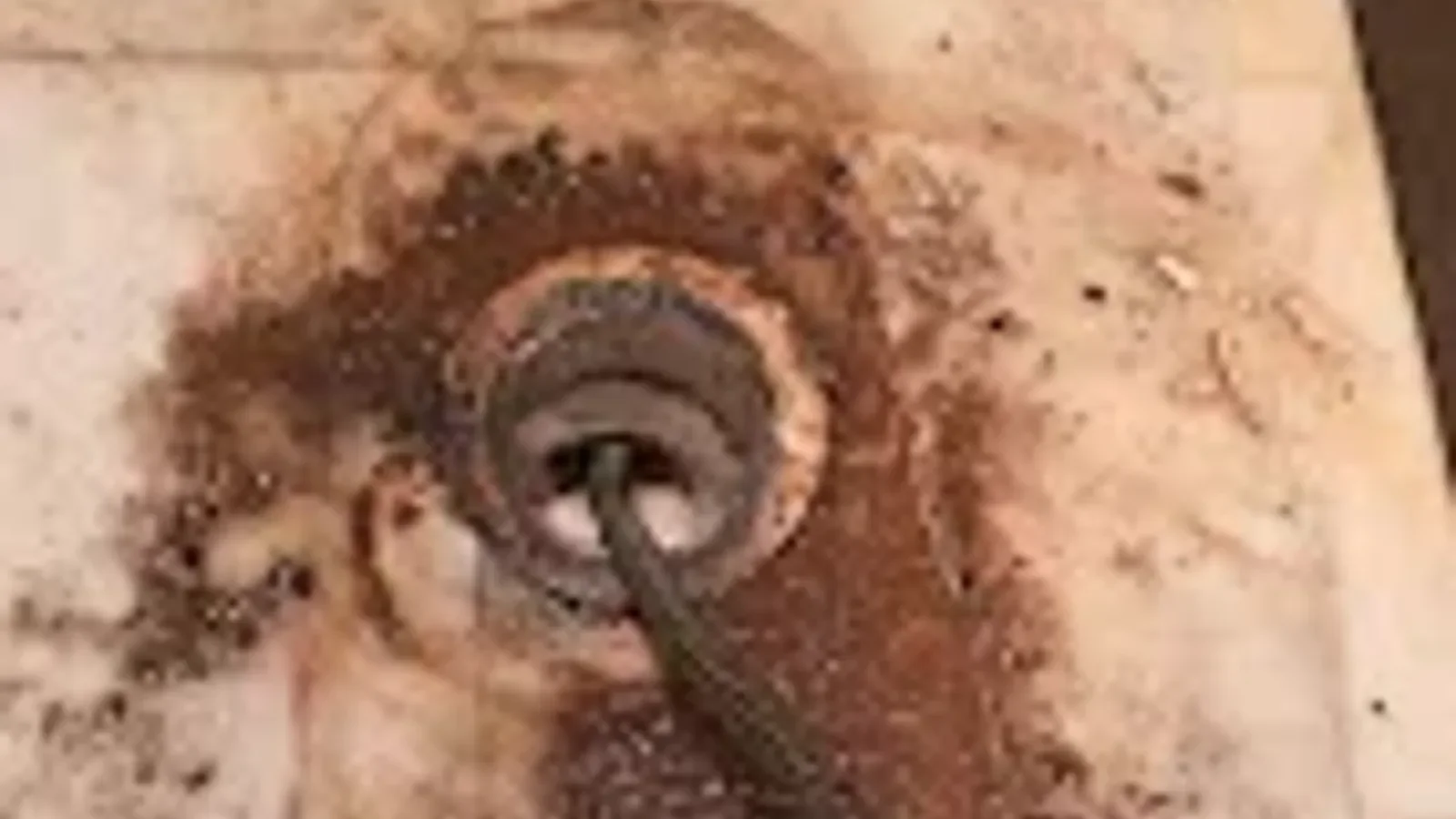
Owning an older home in the San Fernando Valley comes with a trade-off that real estate listings skip: decades of tree roots, kitchen grease, hard water and aging pipe quietly work against your drains. When a drain goes from slow to completely blocked overnight, you need answers quickly. This guide explains how those conditions cause sudden plumbing failures, what warning signs to watch for, and when a clogged drain in Van Nuys crosses the line into a genuine emergency.
The Usual Culprits: Roots, Grease and Scale Are Not Just Nuisances
How Roots Enter Your Plumbing System
Tree roots go where the water is. Older clay and cast iron sewer laterals have many joints, and every joint is a seam where a hair-thin root can slip in. Once inside, the root thickens into a net that catches paper, wipes and grease. Unlike a hair clog, a root mat does not wash away, and it grows back after a quick clearing unless the line is cut and cleaned properly.
Over months, a thin snag in a 4-inch lateral becomes a dense, compacted plug. Soap scum, body oils and grease bind the debris together into something closer to wet cement than a simple clog. Plunging rarely breaks this kind of blockage loose. Hydro-jetting, which sends high-pressure water through the line, is often the method that fully clears it without damaging the pipe walls.
Pipe Corrosion: The Invisible Threat Inside Your Walls
Galvanized steel supply and vent pipes and cast iron drain sections are common in Valley homes built before the 1980s, and all of them rust over time. As a pipe wall thins and flakes, the interior surface becomes rough and irregular, which is the perfect texture for grease and debris to grip. A pipe that drained fine last season may suddenly back up this season, not because of a single new clog, but because years of corrosion finally reduced the effective interior diameter enough to cause a blockage.
Mineral Scaling from Hard Water
Water across the San Fernando Valley is on the hard side, carrying dissolved calcium and magnesium. As that water moves through drain pipes and evaporates at slow spots, it deposits calcium carbonate scale on pipe walls. Combined with roots and corrosion, scaling creates a triple-threat environment that shortens the practical life of any drain system.
Warning Signs That a Slow Drain Is About to Become an Emergency
Drainage Speed Changes Across Multiple Fixtures
A single slow drain is usually a localized clog. When two or more fixtures in different rooms start draining slowly at the same time, the blockage is almost certainly in a shared branch line or the main sewer line. In many homes this pattern develops quickly, because debris tends to migrate toward the lowest points in the system, which means a main-line deposit can affect every fixture at once.
Pay attention when your kitchen sink, a bathroom lavatory and the laundry drain all slow down within the same week. That convergence is a signal worth acting on before you are dealing with sewage backing up into a shower pan.
Gurgling Sounds and Drain Odors
Gurgling from a drain after water runs indicates that air is being pulled through the water in a trap, which happens when a partial blockage downstream creates negative pressure. The sound itself is not the emergency. What it tells you is that the venting in your drain system is compromised, either by a blockage in the vent stack or by a partial obstruction in the drain line itself.
Sulfur or sewer-gas odors coming from a floor drain or an infrequently used sink often mean a trap has dried out or that a partial clog is holding stagnant organic material. In a house with a guest bath, a garage floor drain or a utility sink that sits unused for stretches, this is more common than homeowners expect.
Water Backing Up at the Lowest Fixture in the House
If water or sewage backs up into a ground-floor shower, floor drain or toilet when you run water elsewhere in the house, the main sewer line is blocked. This is a plumbing emergency. Continuing to use water will force sewage into living spaces. The correct response is to stop using all water-consuming fixtures and call an emergency plumber immediately. Do not try to clear a main-line backup with a consumer-grade drain snake; the tools and expertise required go well beyond what a hardware-store auger can handle.
Why Standard Drain Cleaning Methods Fall Short
Chemical Drain Cleaners and Their Limits
Liquid drain cleaners work by dissolving organic material: hair, grease, soap scum. They have no meaningful effect on roots, mineral scale or corroded pipe debris. Worse, strong alkaline or acid-based drain chemicals can accelerate corrosion in already-compromised metal pipes. A pipe that has been thinned by decades of use is not a good candidate for chemical treatment, and using these products on a root-and-grease clog can create a bigger problem than the one you started with.
Consumer Drain Snakes and Their Reach
A standard 25-foot hand auger reaches the trap and a short section of branch line. Most drain runs in a slab-on-grade or raised-foundation home extend well beyond that distance before reaching the main line. A blockage in a horizontal run under the slab is out of reach for a consumer snake. Even a 50-foot power auger may not reach it, and forcing a cable through a corroded pipe without knowing its condition risks punching through the pipe wall.
When Hydro-Jetting Is the Right Tool
Professional hydro-jetting uses water pressure, typically between 1,500 and 4,000 PSI depending on the pipe type, to scour the interior walls of drain lines. For grease and scale buildup it is among the most effective clearing methods available. The water physically flushes compacted material out of the line rather than just punching a hole through it, which means the full diameter of the pipe is restored rather than only temporarily opened.
Before hydro-jetting, a camera inspection is standard practice. Sending high-pressure water through a severely corroded pipe can cause a collapse. Knowing the pipe's condition before clearing it is not optional in older homes; it is the difference between a drain cleaning and an accidental pipe replacement. Professional drain cleaning should start with a camera inspection when the home is more than 20 years old or when the drain history is unknown.
Plumbing Repair: When Cleaning Is Not Enough
Signs That Corrosion Has Progressed to Pipe Damage
Recurring clogs in the same location, despite professional cleaning, often indicate that corrosion has created a rough interior surface that continuously catches debris. If a camera inspection reveals pitting, cracks, offset joints or significant scale stuck to corroded pipe walls, cleaning alone will not solve the problem. The pipe section needs repair or replacement.
In Valley homes built in the 1950s through the 1970s, cast iron drain lines under slabs are common. Cast iron is durable under normal conditions, but decades of use and hard-water scaling can leave these lines in poor shape. Trenchless pipe lining, where a resin-impregnated liner is pulled through the existing pipe and cured in place, is often a practical option for these situations because it avoids tearing up flooring or landscaping.
Outdoor Drain Lines and Landscaping Intrusion
Many properties have extensive outdoor drainage, including area drains, French drains and driveway catch basins. These outdoor systems collect leaves and silt and face root growth from nearby trees and shrubs. Root intrusion into outdoor drain lines is a separate failure mode from indoor grease buildup, but the two can appear together, especially after winter storms saturate the soil and speed up root growth.
Sewer Lateral Condition in Older Homes
The sewer lateral is the pipe that runs from your home to the municipal sewer main. In many older Valley properties, laterals are original clay tile or early-era ABS plastic, both of which are susceptible to joint separation and root intrusion. A lateral inspection is worth scheduling if you have had recurring main-line backups, if the property is more than 30 years old, or if you are buying a home and have not seen a recent sewer scope report.
A Practical Comparison: Drain Issues by Cause and Recommended Response
| Cause | Location in System | Typical Symptom | Recommended Action |
|---|---|---|---|
| Grease and soap buildup | Trap, horizontal branch line | Gradual slowdown, multiple fixtures | Camera inspection plus hydro-jetting |
| Pipe corrosion and flaking | Metal pipe sections, p-traps | Recurring clogs, discolored water | Camera inspection, possible pipe relining or replacement |
| Mineral scaling | Throughout drain system | Slow drains, white deposits visible at drain opening | Hydro-jetting with a descaling nozzle |
| Root intrusion | Outdoor lines, sewer lateral | Gurgling, backup after rain | Camera inspection, root cutting, lateral evaluation |
| Main-line blockage | Main sewer line | Backup at lowest fixture, sewage odor | Emergency plumber, stop water use immediately |
Preventive Steps Homeowners Can Take Between Service Calls
Kitchen and Bathroom Habits
The kitchen sink is where most grease enters the system. Wiping pans with a paper towel before washing and putting cooking fat in the trash rather than the drain keeps it off the pipe walls downstream. In bathrooms, fitting shower and tub drains with a fine-mesh insert traps hair before it reaches the trap. These inserts need to be emptied after every few uses. It is a simple habit that meaningfully reduces the rate of buildup in the lines downstream.
Likewise, keep wipes, dental floss and paper towels out of the toilet, even products labeled flushable. They snag on rough pipe walls and on root hairs, and they are a common starting point for a main-line blockage.
Routine Drain Flushing
Running a full pot of hot (not boiling) water down kitchen and bathroom drains monthly helps flush loose soap scum through the system before it compacts. This is especially useful for infrequently used drains such as guest bathrooms and utility sinks, where slow evaporation can concentrate mineral deposits. Hot water will not dissolve scale or clear a root blockage, but it helps maintain flow in lines that are otherwise in good condition.
Scheduling Periodic Professional Inspections
For homes more than 30 years old, or homes with large trees near the sewer lateral, an inspection every year or two is a reasonable maintenance interval. A camera run through the main line and primary branch lines gives you a clear picture of accumulation and root growth before they reach emergency territory. Catching a partly blocked branch during a routine visit is far less disruptive than dealing with a full backup at an inconvenient moment.
If you are already past the prevention stage and need urgent drain clearing, call Emergency Plumbing Pro at (424) 610-9522; the company is open 24 hours, Sunday to Friday. The process should start with a camera inspection to confirm the cause before any clearing method is applied, so the fix matches the problem. You can also reach out through the contact page.
Frequently Asked Questions
How quickly can a drain go from slow to completely blocked?
Faster than most homeowners expect. A drain running at 70% capacity because of roots or grease can fully block within days if a heavy load, like a big laundry day or a houseful of guests, adds a concentrated burst of water and debris. Drains rarely fail gradually in a straight line; they plateau and then drop suddenly.
Can I use a store-bought drain snake on a root clog?
A consumer auger can punch a temporary hole through a soft clog, but it will not remove a compacted root mat. The opening typically closes within days or weeks as the roots regrow and surrounding debris fills back in. Professional cutting and hydro-jetting are the methods that reliably restore a root-blocked line.
Is pipe corrosion covered by homeowner's insurance?
Generally, gradual corrosion is considered a maintenance issue rather than a sudden loss, and most standard homeowner's policies exclude it. Coverage depends entirely on your specific policy. Consult your insurer directly and document any pipe condition findings from camera inspections, as that documentation can support a claim if a corroded pipe causes secondary water damage.
How do I know if my sewer lateral needs replacement versus just cleaning?
A camera inspection is the only reliable way to know. Signs that suggest replacement rather than cleaning include visible pipe collapse on camera, multiple offset joints, extensive root intrusion throughout the line, or a history of repeated blockages in the same location despite professional cleaning.
What should I do while waiting for an emergency plumber to arrive?
Stop using all water-consuming fixtures in the house. Do not flush toilets, run the dishwasher or use the washing machine. If sewage has backed up into a living space, keep people out of that area. Locate your main water shutoff so you can cut supply quickly if needed. Do not try to clear a main-line backup yourself.
How often should a Valley home have its drains professionally cleaned?
For homes with older cast iron or clay lines and mature trees nearby, annual service is a reasonable baseline. Newer homes with plastic drains and light use may go two years between visits without significant buildup. A camera inspection at the first visit will help establish the right interval for your specific property.