

Toilet Clogs That Keep Coming Back After Plunging in Van Nuys
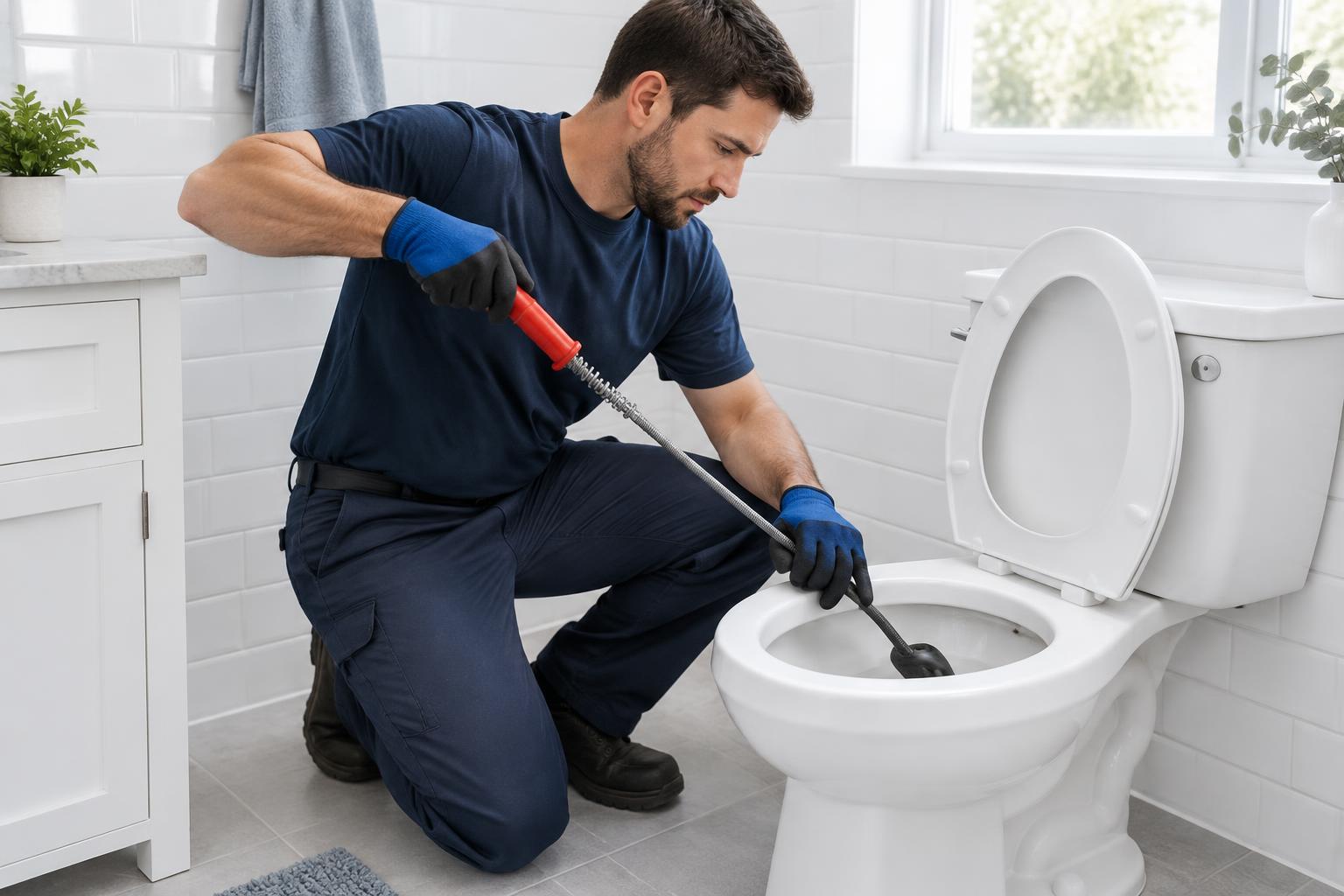
A toilet that clears with a plunger and clogs again a few days later needs more than another hard flush. The blockage may still be sitting in the toilet's trap, or the branch pipe beyond it may be restricted. Sometimes the flushing problem comes from the toilet itself and not from the drain.
Professional drain cleaning begins by sorting out which of these is happening. A temporary improvement does not prove the underlying cause is gone.
Why a Toilet Clog Comes Back
An Object Is Stuck in the Trap
A small toy, a hygiene product, or another foreign object can snag paper while still letting some water pass. Plunging may shift the pile of material without removing the object, so the same snag is waiting for the next flush.
The Branch Line Is Partly Blocked
Wipes, too much paper, or deposits can narrow the pipe past the fixture. Even products sold as flushable can add to a blockage. A partial restriction may accept one flush and then struggle under heavier use. In older Valley homes with clay or cast iron drain lines, rough pipe walls and roots in the joints can make this worse.
The Toilet Is Not Flushing Properly
A low water level in the tank, a worn flush mechanism, or blocked rim passages can weaken the flush. Drain cleaning alone will not cure every weak flush, so the fixture itself should be checked as well.
One Toilet or a Wider Drain Problem?
When only one toilet is affected and the fixtures nearby drain normally, the trap or the local branch is a sensible place to start. When a shower backs up during a flush, several toilets struggle, or wastewater shows up in the lowest fixture in the house, the shared drain or the main sewer needs attention.
Stop using the affected fixtures if sewage is backing up. Keep children and pets away from contaminated water and contact an emergency plumber instead of adding more water to the system.
What to Avoid During a Recurring Clog
- Do not keep flushing while the bowl level rises.
- Do not pour chemical drain cleaners into the bowl.
- Do not push improvised metal tools through the porcelain trap.
- Do not flush wipes, paper towels, or hygiene products.
If the bowl is close to overflowing, close the toilet's supply valve when it is safe and turns easily. Never force a stuck valve. Tell the plumber if chemicals have already been used.
How a Plumber Clears and Diagnoses the Problem
Check the Fixture First
The plumber looks at how the tank operates and how the toilet flushes. A toilet auger made for the purpose can reach the trap with less risk of scratching the porcelain than the wrong tool would have.
Look Beyond the Toilet When Needed
Stubborn clogs may call for pulling the fixture or reaching the drain through a cleanout. A camera inspection can help find a deeper obstruction, roots entering the pipe, or damage when conditions allow.
Restore Flow and Spot Any Repair Need
The clearing method is chosen to suit the blockage and the pipe. If the line has an offset joint, a collapsed section, or another structural fault, pipe repair may be needed instead of repeated cleaning.
Reducing Repeat Toilet Blockages
Flush only toilet paper and human waste. Keep a wastebasket within reach, and look into a weak flush instead of making up for it with extra flushes. In rentals and commercial restrooms, clear disposal rules help protect the shared drains.
Frequently Asked Questions
Why does my toilet clog even with ordinary use?
A trapped object, a restricted branch, or poor flushing performance may be responsible. Repeated clogs deserve a diagnosis.
Can a plunger remove every toilet obstruction?
No. It may move soft material but leave a lodged object or a downstream restriction behind.
Is a bubbling shower a warning sign?
Yes. Bubbling or backup in a nearby fixture during a flush can point to a restriction in a shared drain or a venting issue.
Will every recurring clog mean replacing pipe?
No. Many are cleared without replacing any pipe. An inspection shows whether damage is present.