

Commercial Drain Cleaning in Van Nuys: Restaurant Kitchen Lines
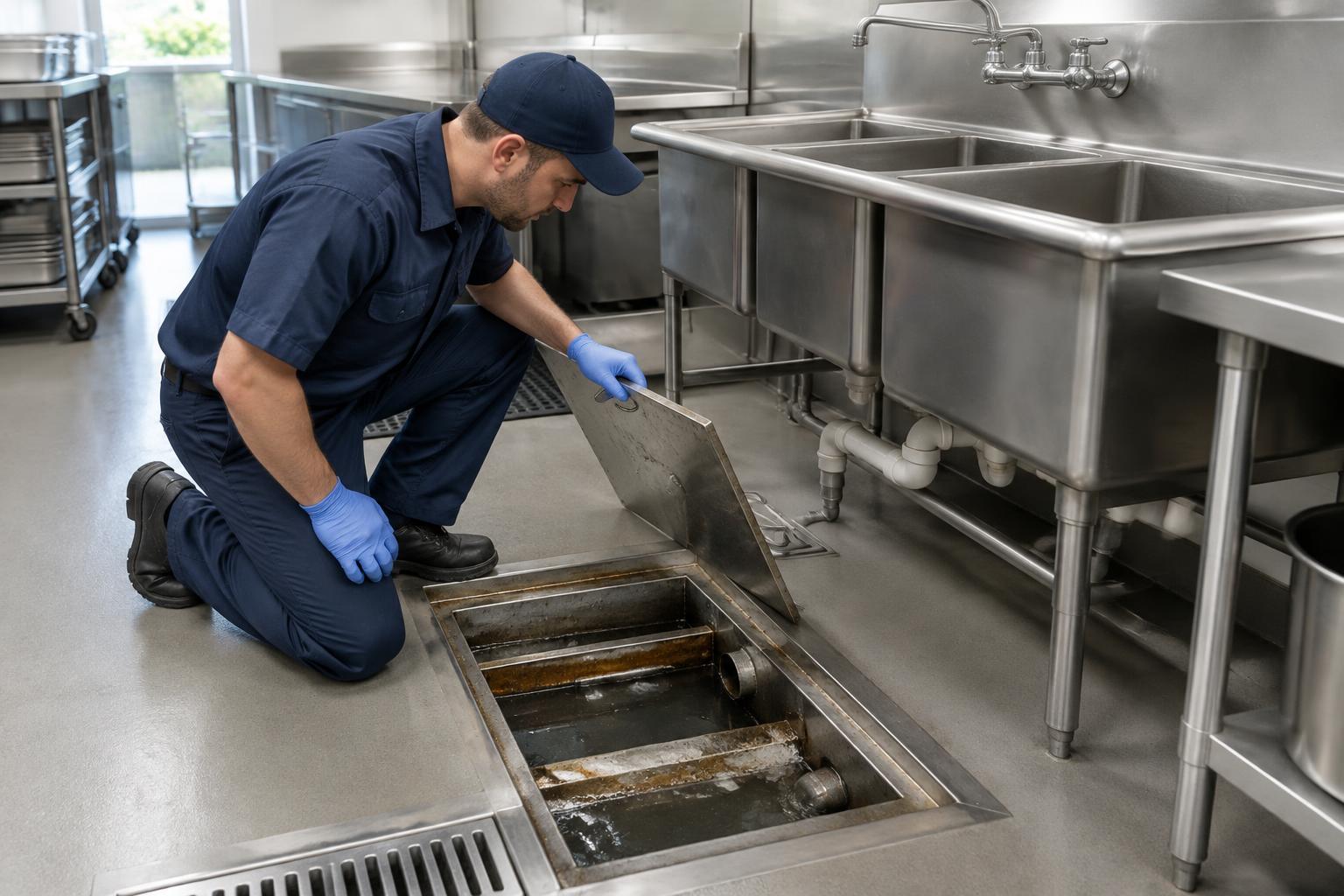
A busy restaurant kitchen sends surge after surge of wastewater into its drains. Fat, oil, grease, food scraps, and cleaning residue can narrow the pipe long before anyone sees a backup. When a prep sink or floor drain overflows in the middle of service, the damage goes well beyond the plumbing.
Professional commercial drain cleaning removes buildup from the line itself. It works alongside grease interceptor maintenance and never replaces it.
Why Restaurant Drain Lines Narrow So Fast
Hot grease travels easily with wash water, then cools and sticks to the pipe wall. Food particles catch in that coating and the opening shrinks layer by layer. A restriction can seem to appear overnight, because lighter use still drains while a heavy rush exposes the problem.
A grease interceptor separates much of this material before the wastewater moves on, but it has limits. Neglected maintenance, too much load, and poor disposal habits all let more grease reach the pipes downstream.
Warning Signs During Daily Operations
- Prep or wash sinks empty more slowly than before.
- Floor drains rise when equipment discharges.
- Several kitchen fixtures gurgle at once.
- Odors linger near drain equipment.
- The same branch keeps needing emergency clearing.
Make these observations part of shift reports. Early notes help a plumber work out which equipment and which branches are involved.
Cleaning the Line and Servicing the Interceptor Are Separate Jobs
Cleaning the Drain Line
Line cleaning removes restrictions inside the connected piping. The right method depends on access, the age and condition of the pipe, and the kind of deposit. Hydro jetting can work well on grease where the pipe is suitable, while mechanical methods may be a better fit in other conditions.
Maintaining the Grease Interceptor
Interceptor maintenance removes built-up grease and solids from the unit and checks its condition. How often it is needed depends on volume, the equipment, and local requirements. Arrange compliant service with a qualified provider and keep the maintenance records.
An emptied interceptor does not mean the downstream line is clear. In the same way, opening a blocked pipe does not show that the interceptor is working properly.
What to Do When Wastewater Backs Up
Stop using the affected fixtures and block off the area. Keep wastewater away from food, utensils, and food-contact surfaces. Follow your sanitation procedures and the health requirements that apply to your business, and contact the proper authority when it is required.
Do not pour in chemical cleaners or try to push a blockage through with more water. Tell the plumber about any chemicals already used, and make cleanouts and service records easy to reach.
A Practical Preventive Maintenance Approach
Reduce What Enters the System
Scrape plates before washing, use sink strainers that fit, and collect used cooking oil separately. Hot water does not make grease safe to pour down the drain. It only carries the grease farther before it cools and hardens.
Match Service to Real Use
Review your backup history, kitchen volume, and interceptor upkeep with the people who service them. A kitchen with repeated blockages needs a plan built on the cause, not an arbitrary cleaning calendar. Older Valley commercial buildings may also have aging branch lines that clog more easily than newer piping.
Investigate Repeated Trouble
Ongoing problems can point to poor pipe slope, damage, or a line too small for the load. A camera inspection helps tell buildup apart from a defect that calls for pipe repair.
Frequently Asked Questions
Does pumping the grease interceptor also clean the drain lines?
Not necessarily. Interceptor service and pipe cleaning deal with different parts of the system.
Is hydro jetting right for every commercial kitchen?
No. The condition of the pipe, the access, and the drain layout all need to be assessed before choosing a method.
How often should a restaurant schedule drain cleaning?
The interval should reflect volume, past buildup, inspection findings, and the rules that apply to the business rather than a single schedule for everyone.
Should staff keep using a sink that drains slowly?
Report it and arrange an assessment. Continued heavy use can turn a partial restriction into a backup that shuts the kitchen down.