

Gurgling Drains: Is It a Clog or a Plumbing Vent Problem?
A sink that gurgles after it drains, or a toilet that bubbles when the shower runs, is giving you useful information. Air is moving through the plumbing in a way it should not. A partial blockage can cause that, but a venting problem can produce very similar symptoms.
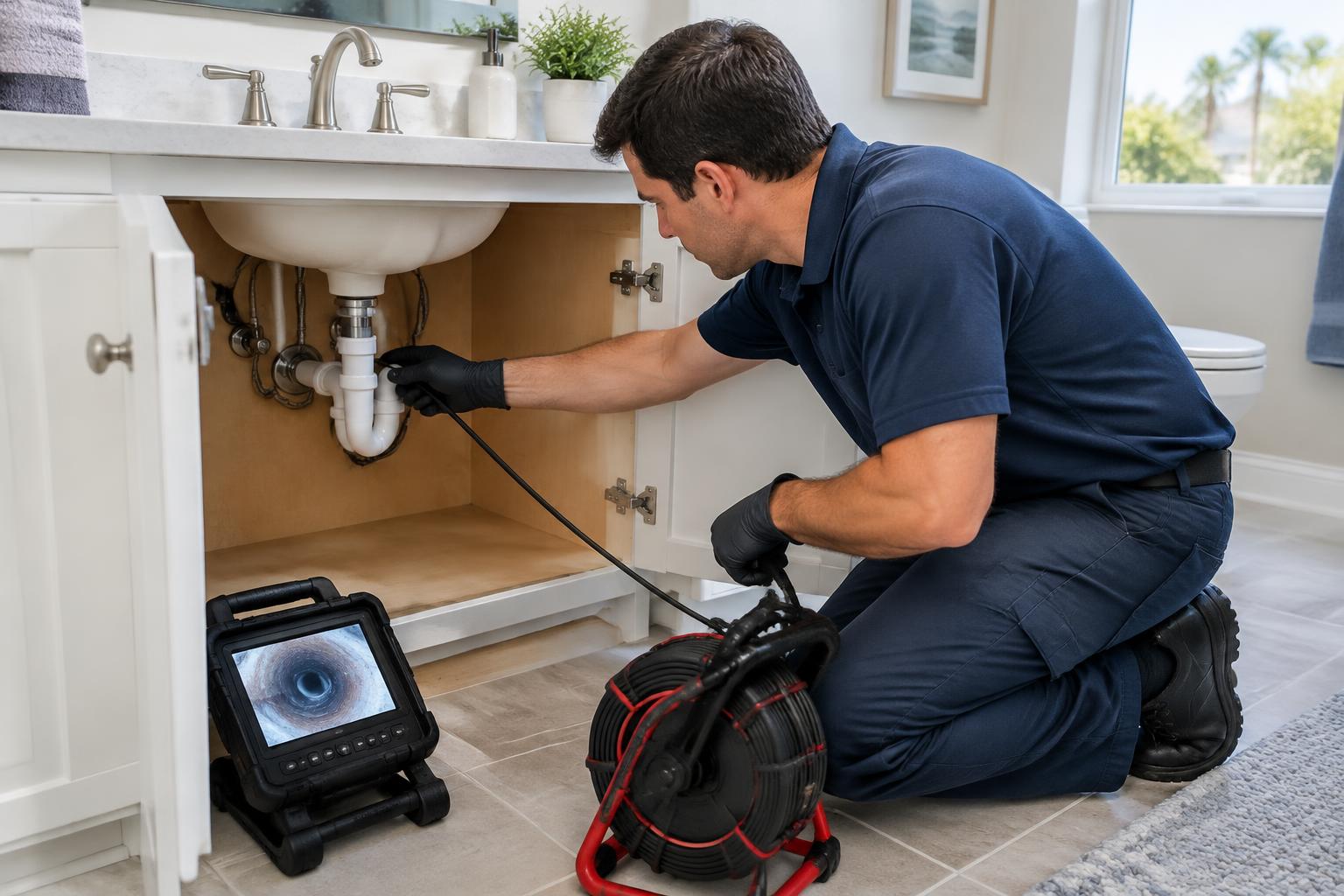
The sound alone does not identify the fault. Professional drain cleaning and diagnosis looks at how water flows, which fixtures are affected, and the condition of the drain system before choosing a fix.
Why Air Matters in a Drain System
Plumbing vents balance the air pressure as wastewater runs through the pipes. The traps under sinks, showers, and other fixtures hold a little water that blocks sewer gas from entering the room. When drainage or venting is disrupted, air can bubble through a trap or pressure swings can pull its water seal away.
That is why gurgling should be read together with slow drainage, odors, and changing water levels, not dismissed as harmless noise.
Clues That Point Toward a Drain Restriction
Slow Flow Along With the Noise
A gurgling sink that also takes longer to empty may have buildup in its trap or branch line. Hair, soap residue, grease, and debris narrow the opening and disturb normal flow.
Several Fixtures React Together
If a toilet bubbles when the washing machine drains, or water rises in the shower after a flush, a shared line may be restricted. Several affected fixtures are a stronger reason to get an inspection soon than an occasional sound from a single drain.
Clues That May Suggest a Vent Issue
Gurgling, traps that lose their water, and recurring odors can also happen when a vent is blocked or was never installed well. Drain and vent symptoms overlap, and both faults can be present at once. A plumber checks the installation and decides whether the vents need a closer look. Older Valley houses that have been remodeled over the years sometimes have vent changes that no longer match how the drains were laid out.
Do not climb onto the roof or push a hose into a vent to test it yourself. Roof access and pressurized water bring their own risks, and the noise may come from a different problem altogether.
What You Can Safely Observe
- Note which fixture makes the sound.
- Record whether it happens during its own use or when another fixture drains.
- Check whether drainage has slowed or water levels change.
- Tell the plumber about recent remodeling or repeated clogs.
A floor drain that is rarely used may smell because its trap has dried out. Pouring in some water can restore the seal, but a smell that keeps returning, or a seal that keeps disappearing, needs investigation.
How Diagnosis Guides the Cleaning
Map the Symptoms
The plumber compares how each fixture behaves to see whether the problem looks local or shared. That helps avoid cleaning the wrong branch.
Inspect and Clear the Line as Needed
Mechanical clearing or hydro jetting can deal with a confirmed restriction, depending on pipe condition and access. A camera inspection can help locate repeat obstructions or damage. A vent fault needs correcting; more drain cleaning will not fix it.
Check the Flow Afterward
Running the affected fixtures shows whether drainage has improved. If gurgling or odors continue, the cause needs more investigation instead of an assumption that the job is done.
Frequently Asked Questions
Does every gurgling drain need cleaning?
No. Venting faults and installation problems can make similar sounds, so diagnosis comes first.
Is a bubbling toilet always a sewer backup?
Not always, but bubbling together with several slow fixtures or rising wastewater needs prompt attention.
Can drain cleaning fix a blocked roof vent?
Cleaning a wastewater line does not automatically correct a separate vent obstruction. The affected part of the system has to be identified first.
When is gurgling an emergency?
When it comes with sewage backing up, overflowing fixtures, or a strong sewer smell that will not fade, stop using the affected plumbing and call for help right away.