

Drain Cleaning in Van Nuys: Kitchen Grease Clogs
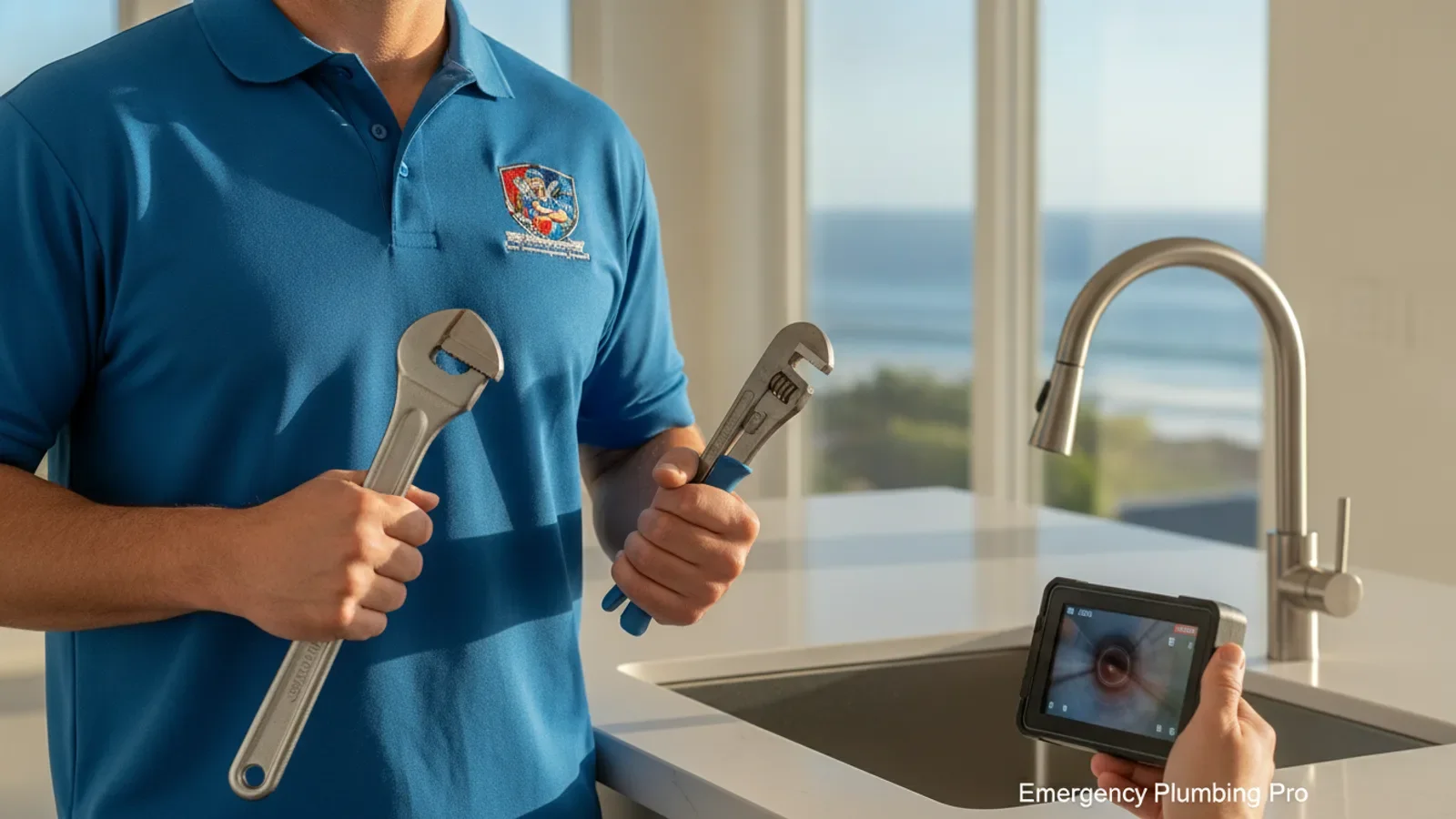
A busy kitchen is hard on a drain. Cooking fats, oils and grease go down the sink warm and liquid, then cool and harden inside the pipe where nobody can see them. In older Van Nuys and San Fernando Valley homes, where drain lines may be decades old and the water is hard, that process happens faster than most homeowners realize. Professional drain cleaning in Van Nuys is often the only way to clear a line once grease has set up inside it, and a few daily habits can keep it from happening again.
Why Grease Builds Up So Stubbornly in Valley Kitchens
Many homeowners assume that washing grease down with hot water makes it disappear. It does not. The water carries the fat a few feet along the pipe, where it cools, thickens and clings to the wall. Over time each new wash adds another layer.
Hard Water and Grease Work Together
When cooking fats break down in a drain, they release fatty acids. In hard water, those fatty acids combine with calcium and magnesium to form a waxy, soap-like solid that sticks to the pipe far better than plain grease does. Water across the San Fernando Valley is hard, so this reaction is a real contributor to the white, chalky and stubborn blockages plumbers find in kitchen lines.
Rough Pipe Walls Catch More
Many mid-century homes in Van Nuys, Reseda and North Hollywood still have original galvanized steel or cast iron drain lines. Over decades these rust and scale on the inside, leaving a rough, sandpaper-like surface. That texture catches passing grease and food particles, so a thin film turns into a dense blockage far sooner than it would in smooth modern plastic pipe.
Cool Pipes Make Grease Set Quickly
Kitchen drain lines often run through cool wall cavities and under concrete slabs. When warm, greasy water meets cold pipe, the fat solidifies almost at once. The longer and flatter the run, the more likely grease is to settle and stay.
The Anatomy of a Clogged Kitchen Drain
A kitchen drain is a network of traps, elbows and sloped runs. Knowing where grease collects explains why simple home remedies so often fail to clear a stubborn clogged kitchen sink.
The P-Trap and the Tailpiece
The first trouble spot is usually the P-trap, the curved pipe directly beneath the sink. It holds a small pool of water that blocks sewer gas, and that same curve is where cooling grease collects first. Once the trap is restricted, water backs up into the basin and leaves a greasy residue that smells and attracts bacteria.
The Horizontal Run to the Stack
Past the trap, wastewater runs through a horizontal branch behind the wall toward the main vertical stack. Horizontal lines rely on a gentle slope, about a quarter inch per foot, to move waste by gravity. Anything that slows the flow lets grease settle, and each layer of grease slows the flow further.
The Sewer Lateral
Grease that gets past the branch line moves on to the main drain and the sewer lateral that connects the house to the street. Once it hardens there, it can catch roots, wipes and other debris, turning a kitchen problem into a whole-house backup. Mature street trees make this worse, since roots look for exactly the moisture and cracks that a greasy, aging lateral provides.
Why Chemical Cleaners Often Fail and Can Damage Pipes
When a kitchen sink drains slowly, many homeowners reach for a liquid drain opener from the hardware store. On a grease blockage this approach is often ineffective and can cause harm.
The Myth of Chemical Grease Dissolvers
Liquid openers are usually caustic, based on sodium hydroxide, or acidic. They are meant to generate heat and break down organic material. Against a dense, waxy grease plug they often cannot penetrate. The liquid sits on top of the blockage, creating a pool of corrosive fluid inside your pipe.
Harm to Older Pipes
Harsh chemicals strip the protective layer from copper, attack aging cast iron and galvanized steel, and can soften or warp plastic fittings when they react and heat up. Older lines are especially vulnerable, and damage can show up later as a leak inside a wall. A chemical-filled drain is also hazardous for the plumber who has to open it afterward.
A Safer Approach
Mechanical clearing, such as a snake or hydro-jetting, removes the grease instead of just pushing a channel through it. If a drain is slow enough that you want a chemical product, it is slow enough that a plumber should look at it.
Common Habits That Make Grease Clogs Worse
Most kitchen clogs are helped along by everyday habits that seem harmless. Knowing them is the easiest way to stop the cycle.
-
Rinsing pans with the tap running: Greasy pans rinsed under hot water send a thin film of fat into the line at every wash. Wiping a pan with a paper towel first removes most of it.
-
Treating the disposal as a trash can: A garbage disposal chops food into small pieces, but it does not remove the grease that comes with it. Pasta, rice, coffee grounds and eggshells settle in the greasy film and thicken it.
-
Pouring grease down the drain while running cold water: Cold water makes fat harden even sooner, often within the first few feet of the line.
-
Ignoring a slow drain: A drain that clears a little slower each month is telling you the pipe is narrowing. Waiting turns an easy cleaning into a stubborn blockage.
Grease in Small Businesses and Busy Households
The same process affects restaurants, cafes and shared kitchens in offices, only faster. A kitchen that washes dishes all day sends a steady load of fats and food into the line. Businesses with a grease trap or interceptor need to keep it emptied on schedule, because a full trap lets fat pass straight into the building drain. Large households that cook every day, and rental homes with high turnover, face a smaller version of the same problem. For all of them, scheduled maintenance costs less than an emergency cleanup in the middle of service.
Signs Your Kitchen Line Is Filling with Grease
Spotting the early signs lets you act before a complete backup floods the cabinet under the sink or ruins the flooring.
The Slow, Gurgling Drain
If the sink takes several minutes to empty, or you hear gurgling from the drain after running the garbage disposal, a clog is forming. The gurgle is air forcing its way past a narrowed passage coated in hardened grease. This is the right moment to call a plumber, before the line seals completely.
Persistent Bad Odors
A sour, rotten smell from the sink that returns even after running hot water or grinding citrus peels is a classic sign of decaying grease. The film on the pipe wall traps food particles that break down, and the smell can drift into the kitchen.
Backup in Neighboring Fixtures
Kitchens often share a wall and a branch line with a laundry room or half bath. If water backs up into the washing machine standpipe or another sink when you drain a full basin, the blockage has moved past the trap and is restricting the shared line.
Safe and Effective Ways to Manage Kitchen Grease at Home
Severe grease blockages need professional tools, but daily habits can slow the buildup a great deal.
| Action | How It Helps | Frequency |
|---|---|---|
| Scrape Plates into the Trash | Removes bulk fats, sauces, and oils before they reach the sink. | Every meal |
| Use a Fine Mesh Strainer | Catches small food debris that would otherwise stick to grease films. | Continuous |
| Flush with Hot Water & Dish Soap | Helps carry light grease films further along the line. | Daily after dinner |
| Baking Soda and Vinegar Flush | Creates a mild foaming action that helps loosen soft debris. | Weekly |
The Hot Water and Soap Flush
Fill the basin with hot water, add a generous squirt of grease-cutting dish soap, stir, and then pull the stopper. The volume of soapy hot water moving through the line helps sweep away soft grease before it hardens.
Proper Disposal of Cooking Oils
Never pour bacon grease, olive oil, pan drippings or butter down the drain, even with hot water running. The water only carries the liquid fat a little farther before it cools and sets. Pour it into an empty can or jar, let it solidify, and put it in the trash.
How a Plumber Clears Grease Blockages
When a kitchen line is heavily restricted, a plunger is not going to solve it. A plumber works to restore the pipe to its full diameter without damaging the plumbing.
Drain Camera Inspection
Before clearing, a plumber can send a flexible waterproof camera into the line. That shows where the clog is, whether the pipe is corroded or damaged, and whether the obstruction is grease, roots or mineral scale. A targeted approach avoids unnecessary wear on the pipe.
Hydro-Jetting for Heavy Grease
Hydro-jetting is one of the most effective methods for stubborn grease. A nozzle on a hose sends high-pressure water in all directions inside the pipe, cutting through hardened grease and flushing the debris out of the line. A snake tends to punch a small hole through a clog and leave the rest of the film on the pipe wall, while jetting scours the wall clean.
Preventive Maintenance
For households that cook heavily, rental properties and restaurants, a scheduled cleaning once or twice a year can keep grease from building to the point of failure. Regular service helps avoid backups at the worst times, such as holidays or a full house.
Professional Drain Care and Main Line Services
If a persistent blockage will not respond to home remedies, it is time to call a plumber. Emergency Plumbing Pro provides drain cleaning and sewer line service for homes and businesses in Van Nuys and across the San Fernando Valley. See the services page for what is available.
Frequently Asked Questions
Why does grease clog my kitchen drain even when I use hot water?
Hot water only moves liquid grease farther down the pipe. Once it reaches cooler pipe, the fat hardens and sticks to the wall, where it builds up with every wash. Hard water can bind with the grease and make the deposit even more stubborn.
Can I use boiling water to clear a clogged kitchen sink?
Boiling water may soften a very light grease film in the trap, but use caution. If the pipes under your sink are plastic, pouring boiling water down the drain can soften the joints and cause leaks. Hot tap water with grease-cutting soap is a safer choice.
Does a garbage disposal prevent grease clogs?
No, and it can make them worse. A disposal grinds food into fine particles, and when those meet a greasy pipe wall they stick and build a dense obstruction that is difficult to clear. Scrape plates into the trash first.
How often should kitchen drains be professionally cleaned?
For a typical household, an inspection and cleaning every 18 to 24 months is a reasonable interval. Homes with older cast iron pipes, heavy cooking or rental use should consider cleaning every year to avoid sudden backups.