

Drain Cleaning in Van Nuys: Tree Roots and Hard Water Scale
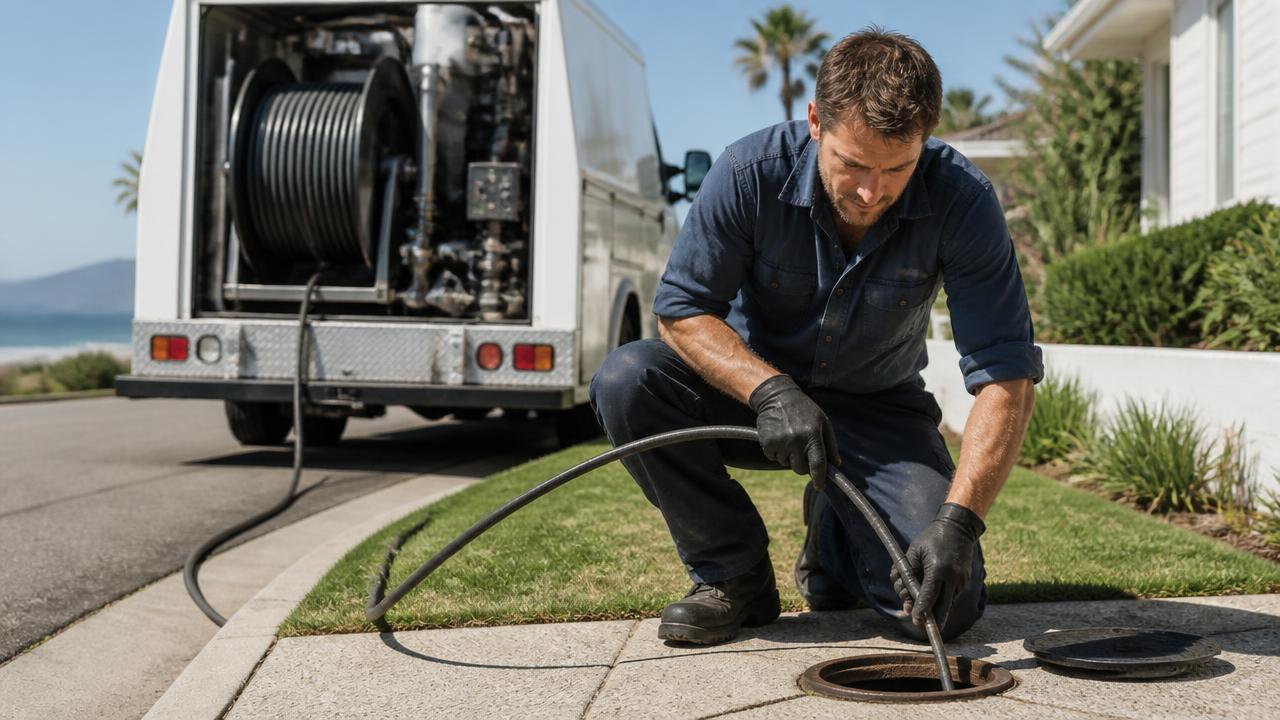
Homes across the San Fernando Valley deal with plumbing stress that a simple plunger cannot fix. Between the roots of mature trees searching for moisture and the heavy mineral deposits left by hard water, drain and sewer lines endure steady pressure from both outside and inside. When a sink drains slowly or the main sewer line backs up, the cause is rarely a single clog. Lasting relief means drain cleaning in Van Nuys that deals with the cause of the blockage and not only the symptom.
The Unexpected Culprit: Healthy Trees and Aging Sewer Lines
Many homeowners blame sewer trouble on old, corroded pipe. In the Valley, healthy trees are often a bigger factor. Neighborhoods built in the 1950s and 1960s now have fully grown trees planted close to the clay and cast iron sewer laterals installed when the houses were new.
Aggressive Roots from Common Valley Trees
Eucalyptus, ficus, sycamore and many other common street and yard trees have vigorous root systems. During the long dry months, roots search for dependable water, and the warm, nutrient-rich flow inside a sewer line is exactly that. Roots can enter through hairline cracks and loose joints in clay, cast iron and older plastic pipe, then expand quickly until they block the channel.
Why Roots Reach Pipes So Easily
Clay sewer pipe is installed in short sections with joints every few feet. Each joint is a possible entry point once the seal has aged. Hot summers dry out the surface soil, so roots reach toward the moisture around a joint that is leaking even slightly. This is one reason sewer laterals in older neighborhoods such as Van Nuys, Reseda and North Hollywood so often need attention.
How Roots Lead to Pipe Failure
Once a fine root hair enters a joint, it feeds on the water inside. The root thickens and acts like a wedge, widening the crack. In time the pressure can fracture the pipe. Soil then enters the line and packs into a dense barrier that a plunger cannot move, and professional sewer line cleaning becomes necessary.
The Quiet Problem of Hard Water Scale
While roots attack pipes from the outside, the water supply constricts them from the inside. Hard water is a well-known fact of life across Southern California, and its effects build year after year in the plumbing of the Valley.
Calcium and Magnesium Deposits
Valley water carries dissolved minerals, mainly calcium and magnesium. As water heats and moves through the plumbing, these minerals come out of solution and cling to the inner walls of pipes, water heaters and fixtures. This process, called scaling, forms a rough, chalky white or gray layer that keeps thickening.
How Scale Shrinks a Pipe
Think of scale as plaque in an artery. Over years of use, the opening inside a pipe can shrink significantly. The pipe can carry far less water than it was built to, which produces chronic slow drainage in showers, tubs and kitchen sinks.
Scale, Soap Scum and Debris Bind Together
Rough scale on the pipe wall catches everything that passes by. Hair, soap scum, grease and food particles stick to it and compact over time into a tough obstruction that resists liquid drain openers. The result is a clog that returns again and again after a simple cleaning.
Modern Diagnostic Methods: Seeing Inside Underground Pipes
Solving a complex drain issue starts with an accurate diagnosis before any tool goes in. Guessing where a blockage sits can lead to unnecessary digging, damaged landscaping and incomplete repairs.
Sewer Camera Inspections
A good drain clearing job begins with a waterproof sewer camera inspection. The camera is fed through an accessible cleanout and sends live video of the pipe interior to a monitor. That shows exactly what is causing the blockage, whether a mass of roots, a layer of mineral scale or a sag in the line.
Pinpointing Depth and Location
Many camera heads carry a transmitter. A locating device held above ground finds the depth and position of a defect or root intrusion, which minimizes excavation and protects your yard.
Assessing Pipe Condition
A camera inspection also shows the condition of the pipe wall. It matters to confirm whether a clay or cast iron pipe can withstand high-pressure cleaning, or whether it is too far gone and needs repair or trenchless rehabilitation instead.
Comparing Drain Clearing Methods
Different blockages need different tools. Snaking may clear a soft clog, but it is ineffective against mineral scale and stubborn roots.
| Method | Best For | How It Works | Limitations |
|---|---|---|---|
| Motorized Drain Snaking | Hair, food debris, simple toilet paper clogs | A steel cable rotates a cutting tip to punch a hole through the blockage. | Leaves mineral scale and root remnants behind, so blockages can recur. |
| Hydro Jetting | Hard water scale, grease, and moderate roots | High-pressure water streams scrub the entire inner pipe wall clean. | Not suited to severely damaged, collapsed or fragile clay pipes. |
| Mechanical Root Cutting | Thick, stubborn tree root intrusions | Expandable blades slice roots flush with the pipe wall. | A temporary fix, since roots regrow unless the pipe is sealed or repaired. |
The Role of Hydro Jetting for Scale and Buildup
When hard water minerals and compacted debris combine, mechanical snakes often fail. They punch a temporary hole through the clog without cleaning the pipe walls. Hydro jetting is the standard professional method for restoring a pipe to something close to its original capacity.
How High-Pressure Water Scrubbing Works
A hydro jetting machine pumps water at high pressure through a heavy-duty hose. The nozzle has forward-facing jets that break up obstructions and rear-facing jets that pull the hose along while scouring the pipe wall. This washes away scale, grease and debris and flushes them out of the line.
Clearing Silt and Sediment
Heavy sediment settles in the low spots of horizontal lines. A high-volume flush keeps those particles suspended in the water so they leave the system instead of settling again and forming a new clog.
Preparing Pipes for Trenchless Repair
If a pipe has been damaged by roots, jetting is often the first step toward restoration. A pipe has to be cleaned down to its bare wall before a trenchless liner can be installed, so that the resin bonds properly to the existing pipe.
Preventative Strategies
The key to avoiding a major plumbing emergency is proactive care. Waiting for a complete sewer backup usually means property damage and a rushed repair.
-
Schedule Regular Sewer Inspections: A camera check every year or two can catch root intrusion and scale buildup before they cause a complete backup.
-
Know Where Your Cleanout Is: An accessible cleanout makes inspection and cleaning simpler and keeps work on the line less disruptive.
-
Consider a Water Softening System: To slow scaling at the source, treating the incoming water to remove calcium and magnesium can reduce the minerals that reach your pipes and water heater.
-
Keep New Plantings Away from Sewer Lines: When adding trees, choose species with less aggressive roots and place them well away from the path of the sewer lateral.
These steps reduce the risk of a sudden, messy clogged drain at the worst moment, such as a holiday weekend with a full house.
Frequently Asked Questions About Drain Cleaning
Why do my drains back up more during hot, dry months?
When the soil dries out in summer, trees look harder for water, and roots are drawn to the moisture and flow inside sewer lines. That can speed up root intrusion and the blockages that follow.
Is chemical drain cleaner safe to use on tree roots?
No. Chemical cleaners are ineffective against thick roots and can damage your plumbing. Harsh chemicals can corrode cast iron, and the heat they produce can soften plastic lines.
What are the signs of a line restricted by hard water scale?
Look for slow drainage across several fixtures, gurgling from a toilet when you run a sink, and a persistent musty smell from drains where organic material has caught on rough scale.
Can hydro jetting damage older clay pipes?
If a clay pipe is already cracked or weakened, high-pressure jetting can make the damage worse. That is why a camera inspection should come first, to confirm the pipe is strong enough to handle the process.